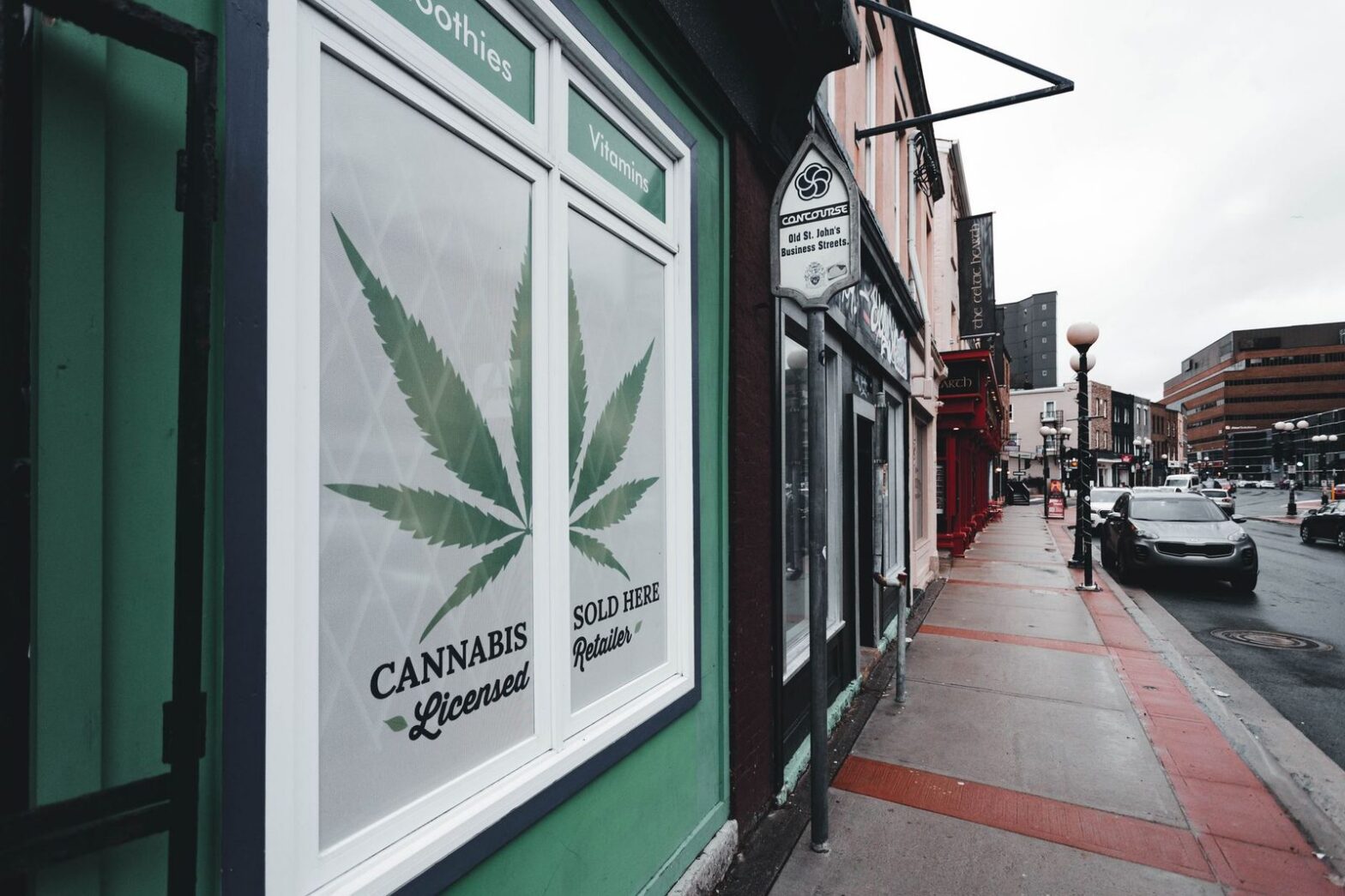
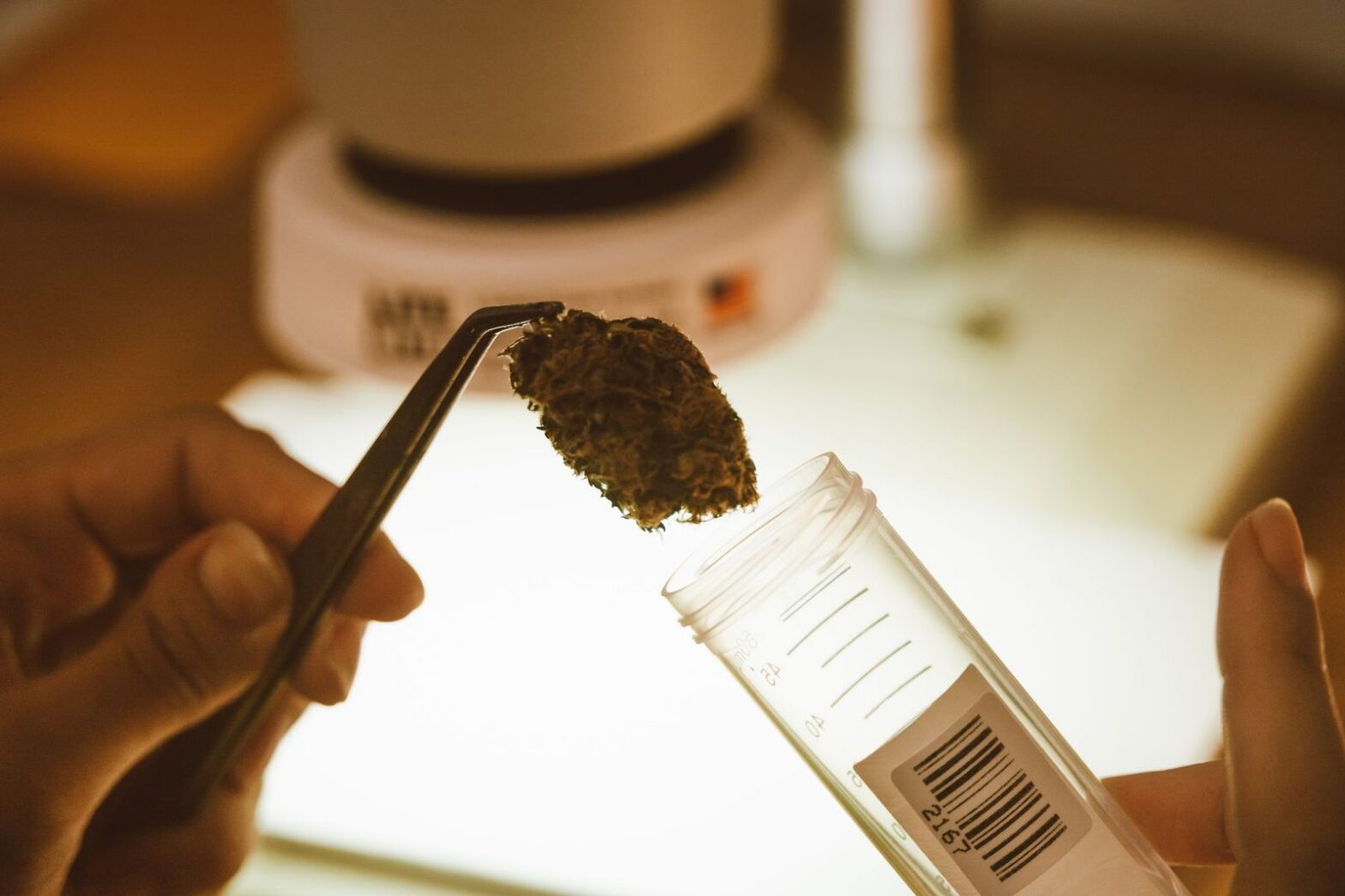
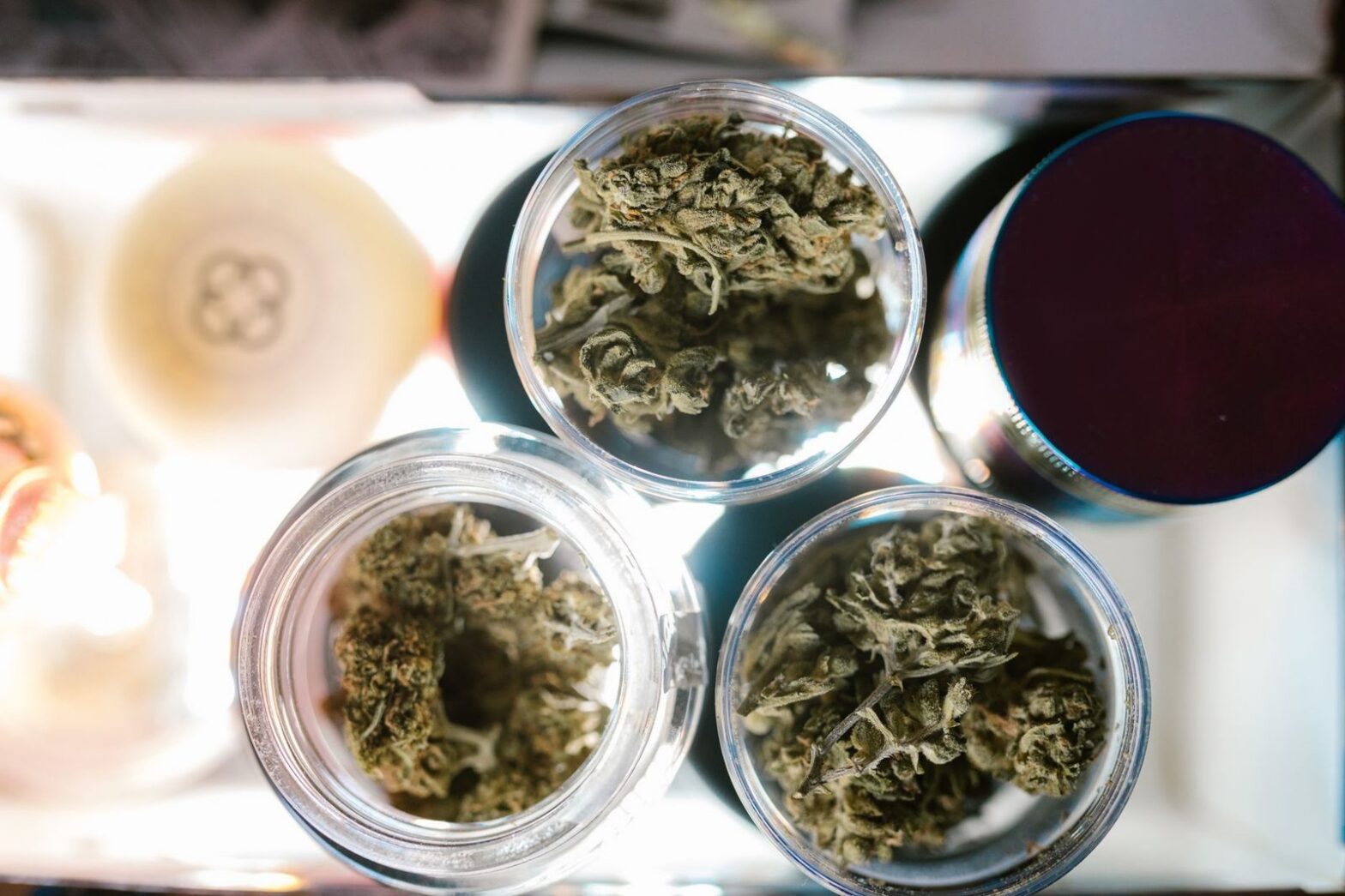
Minnesota Licensed Cannabis Growers and Cultivators: Who’s Operating and Where

Minnesota’s adult-use cannabis market is moving from legislation into operation. For wholesalers sourcing flower, retailers building supply agreements, and investors evaluating the production side of the market, knowing which cultivators hold active licenses — and where they are located — is foundational work. This roundup collects the grower and cultivator resources available on CannaHubMN into one place, so operators can move from research to outreach without unnecessary detours.

Understanding the Grower-Cultivator License Type

Before reaching out to individual operators, it helps to understand what this license class actually authorizes. The grower-cultivator license type page outlines what this OCM-issued license covers, including the scope of cultivation activity permitted under Minnesota law. It is a useful reference point for anyone new to the state’s licensing structure or evaluating whether a prospective partner holds the right credential for their supply chain needs.

Browse All Licensed Growers and Cultivators in the Directory

The grower-cultivator category listing aggregates all cultivator profiles currently indexed on CannaHubMN. This is the practical starting point for anyone conducting a broad search — whether you are a retailer in Mankato looking for regional supply options or a transporter in Saint Cloud mapping pickup routes. The category page updates as new operators are added to the directory.

Individual Operator Listings

The following profiles represent minnesota licensed cannabis growers cultivators currently listed in the CannaHubMN directory. Each listing provides operator-level detail to support initial vetting and contact.

Matchbox Farms MN LLC

Matchbox Farms MN LLC is a licensed cultivator listed in the CannaHubMN directory. Operators looking to establish wholesale relationships or verify licensure status will find the relevant business details on this profile page.

Cloud Nine Farms LLC

Cloud Nine Farms LLC is another licensed grower indexed in the directory. Retailers and distributors scouting production partners in Minnesota can use this listing as a starting point for outreach and due diligence.

Fairwater Farm LLC

Fairwater Farm LLC holds a grower-cultivator listing on CannaHubMN. The profile is relevant to buyers and supply chain managers who need to identify and contact licensed production operations across the state.

Star Spangled Farm LLC

Star Spangled Farm LLC is a cultivator listed in the CannaHubMN directory. Operators evaluating Minnesota’s production landscape will find this profile useful when building a shortlist of licensed growers to contact.

Bogside Growers LLC

Bogside Growers LLC appears in the grower-cultivator section of the directory. For retailers in areas like Duluth, Brainerd, or Bemidji looking to source from licensed in-state operators, this listing provides direct business information.

Emerald Fire Farms

Emerald Fire Farms is a licensed cultivator with a profile on CannaHubMN. Wholesalers and retail buyers can review this listing to assess fit before initiating a supply conversation.

High Horse Farms

High Horse Farms is indexed in the directory as a grower-cultivator operation. This profile is a practical resource for anyone mapping licensed production capacity across Minnesota’s emerging adult-use market.

Northern Cultivators LLC

Northern Cultivators LLC is a licensed grower listed on CannaHubMN. The name suggests a northern Minnesota operational footprint, which may be relevant for operators in markets like Grand Rapids, Hibbing, or International Falls seeking closer supply chain proximity.

Trufarms LLC

Trufarms LLC holds a cultivator listing in the directory. Retailers and manufacturers sourcing raw cannabis material will find this profile useful as part of a broader supplier evaluation process.

Wright Way Farms

Wright Way Farms is a licensed grower-cultivator listed on CannaHubMN. Given the name, operators in the Wright County corridor — including Buffalo, Monticello, and Delano — may find this listing particularly relevant when assessing local supply options.

Build Your Supply Chain from Verified Listings

The cultivators listed here represent a cross-section of Minnesota’s licensed production base as it stands today. The market is still developing, and new operators are being added to the directory as licensure activity continues. Whether you are a dispensary in Rochester, a manufacturer in Saint Paul, or a transporter in Moorhead, having a current picture of who is growing legally — and where — is a practical advantage. Explore the full CannaHubMN directory to find additional operators across every license category active in Minnesota.

Minnesota Licensed Cannabis Growers and Cultivators: Who’s Operating and Where

Episode Show Notes

So I had a conversation last week with someone who runs a small retail operation — just getting their footing in the Minnesota market — and they asked me something that I thought was pretty basic at first, but the more I thought about it, the more I realized it actually isn’t. They said, ‘How do I even find out who’s legally growing in this state right now?’

And that’s the right question to be asking, honestly. Because Minnesota’s adult-use market is still in that early operational phase — legislation passed, the Office of Cannabis Management is issuing licenses, but the production side of the market isn’t fully visible yet to most operators.

Right, and I think that’s the gap. There’s a difference between knowing the law passed and knowing who is actually licensed and operating on the ground.

Exactly. And for anyone on the buy side — retailers, wholesalers, manufacturers who need raw material — that visibility is foundational. You can’t build a supply agreement with someone you don’t know exists.

So let’s start there. Before we even get into who’s listed, William, can you walk through what the grower-cultivator license actually is? Because I think some people conflate it with other license types.

Yeah, good place to start. The grower-cultivator license is an OCM-issued credential — that’s the Office of Cannabis Management — and it specifically authorizes cultivation activity. So we’re talking about the licensed production of cannabis plants.

Not processing, not retail. Just the growing side.

Correct. And that distinction matters when you’re vetting a supply chain partner. If you’re a manufacturer who needs flower or biomass, you want to confirm the operator you’re talking to actually holds the right credential for what they’re selling you. A retail license doesn’t authorize cultivation. These are separate license classes.

Which sounds obvious when you say it out loud, but I’ve heard of situations where early-stage operators weren’t totally clear on what their own license covered, let alone what their partners’ licenses covered.

It happens more than you’d think, especially in a market this new. Minnesota’s regulatory framework is still being operationalized. So doing that license verification step — actually confirming the credential before you start negotiating terms — that’s not paranoia, that’s just due diligence.

Okay so let’s talk about who’s actually out there. CannaHubMN has a directory of licensed growers and cultivators, and there are some specific operators listed. I want to get into those, but first — how should someone be using a directory like this? What’s the workflow?

So the category listing is really your broad sweep. You go there first to see the full landscape — who’s indexed, where they’re operating, what their profile shows. Think of it like a map before you start driving. You’re not committing to a route yet, you’re just orienting yourself.

I like that. Because I think some operators skip that step and go straight to whoever they’ve heard of through word of mouth, and then they end up with a pretty narrow picture of what’s available.

And in a market this early, that’s a real cost. The licensed production base is still forming. New operators are being added as licensure activity continues. So if you did your research six months ago and haven’t looked since, your picture of the market is already out of date.

That’s a good point. The directory updates as new operators come on. So it’s not a static snapshot.

Right. And that matters for planning. If you’re a retailer in, say, Mankato, and you’re trying to figure out regional supply options, the answer to that question might look different in three months than it does today.

Okay, let’s get into the actual operators. Because I think this is where it gets interesting — and honestly a little telling about where the market is geographically. Who are we looking at?

So the directory has ten cultivators listed right now. And when you look at the names and what we can infer about location, there’s actually a pretty interesting spread across the state.

Walk me through them.

Starting with Matchbox Farms MN LLC and Cloud Nine Farms LLC — both licensed cultivators with profiles in the directory. These are your starting points for wholesale outreach if you’re building a supplier list. The profiles give you operator-level detail for initial vetting.

And when you say operator-level detail, what does that actually mean for someone doing due diligence? What are they looking for?

Business information, contact details, licensure status. It’s the first layer of vetting before you pick up the phone or send an email. You want to confirm you’re talking to a licensed operation before you invest time in a conversation about supply terms.

That makes sense. What about the others?

Fairwater Farm LLC, Star Spangled Farm LLC — both listed as grower-cultivators. And then you’ve got Bogside Growers LLC, which is interesting from a geographic standpoint.

How so?

The article specifically calls out Duluth, Brainerd, Bemidji as relevant markets for that listing. So if you’re a retailer in the northern part of the state and you’re trying to source from licensed in-state operators, that’s a name worth looking at.

And that regional proximity piece is actually more important than people might realize. It’s not just about convenience — it affects logistics, it affects your transporter relationships, it can affect freshness and handling depending on what you’re moving.

Completely agree. And that’s why I’d push back a little on the idea of just finding the biggest cultivator and calling it done. Geographic fit matters for supply chain efficiency.

Okay, keep going — who else?

Emerald Fire Farms and High Horse Farms — both indexed as grower-cultivator operations. High Horse Farms in particular is described as a practical resource for anyone mapping licensed production capacity across the state. So if you’re doing that broad landscape analysis, that’s one to have on your list.

And then there are a couple of names that are kind of geographically suggestive, right? Like, you look at the name and you get a hint about where they might be operating.

Yeah, Northern Cultivators LLC is a good example. The name pretty strongly implies a northern Minnesota footprint, and the article mentions Grand Rapids, Hibbing, International Falls as potentially relevant markets. Now, you’d want to confirm that through the actual profile — don’t make supply chain decisions based on a name alone.

Right, that would be a very Minnesota way to get burned. ‘Well, it said Northern in the name, so I assumed…’ — no, check the profile.

Exactly. But as a signal for where to focus your search if you’re in that part of the state, it’s useful.

What about the last two?

Trufarms LLC and Wright Way Farms. Trufarms is listed as a cultivator relevant to retailers and manufacturers sourcing raw cannabis material. And Wright Way Farms — the article draws a connection to the Wright County corridor specifically. Buffalo, Monticello, Delano.

Which is interesting because Wright County is right in that suburban-to-rural transition zone west of the metro. That’s a corridor that doesn’t always get a lot of attention in these conversations, but there’s real retail and manufacturing activity developing out there.

And that’s exactly the kind of regional supply chain gap that a listing like Wright Way Farms could fill. If you’re a dispensary in Monticello or a manufacturer in Buffalo, having a licensed cultivator potentially in your own county is a meaningful logistical advantage.

Okay, I want to push on something here, William. We’ve gone through ten cultivators. And I think someone listening to this might say — ten? That’s it? Is that a thin market?

It’s a fair question. And the honest answer is — this is what’s indexed in the directory right now. It’s not necessarily the complete picture of every license issued in Minnesota. The directory reflects operators who have listed their businesses on CannaHubMN.

So there could be licensed cultivators operating in the state who aren’t in this directory yet.

Correct. And the article is explicit about that — new operators are being added as licensure activity continues. The OCM is still working through applications. So the production base is genuinely still forming.

Which means the right move for operators is to check back regularly, not just do one search and assume they’ve seen everything.

Right. And I’d also say — if you’re a cultivator and you’re not in the directory, that’s a gap worth addressing. Retailers and wholesalers are actively using these resources to build their supplier shortlists. Not being findable is a real competitive disadvantage in a market this early.

That’s a good point. The supply chain relationships that get established now are going to have some staying power. First-mover advantage is real in a market like this.

And it cuts both ways. Cultivators want to be found by the right buyers. Buyers want to find cultivators before their competitors lock up supply agreements. The directory is doing work on both sides of that equation.

Let me ask you something that I think is genuinely confusing for people who are newer to this market. When a retailer is looking at a cultivator listing and thinking about a supply agreement — what should they actually be verifying before they get into those conversations? Like, what’s the checklist?

So the first thing is license status. You want to confirm the operator holds an active grower-cultivator license issued by the OCM. The directory listing is a starting point, but for a formal supply agreement, you’d want to verify that directly.

Not just take the listing at face value.

Exactly. The directory is a research and outreach tool — it’s not a state certification. CannaHubMN indexes operators, but the authoritative source on license status is the OCM itself.

That’s an important distinction. I’m glad you made that clear.

Beyond licensure, you’re looking at operational capacity — can they actually supply the volume you need? Geographic fit, which we talked about. And then the terms of any wholesale arrangement, which is where you’d want legal counsel involved before you sign anything.

Yeah, I’ve talked to operators who’ve treated supply agreements almost like a handshake deal, and that’s — I mean, in a regulated market, that’s just not a sustainable approach.

It really isn’t. The compliance obligations on both sides of a wholesale transaction are real. You need documentation. You need to understand how the product is tracked through the state’s system. These aren’t optional details.

Okay, let’s zoom out for a second. We’ve been talking about this from the buyer’s perspective — retailers, manufacturers, wholesalers looking for cultivators. But what about transporters? Because they came up in the article too.

Good catch. Transporters have a different but equally practical use case for this kind of directory. If you’re a licensed transporter in Saint Cloud, you need to know where the licensed cultivators are geographically — because that determines your pickup routes, your scheduling, your capacity planning.

So it’s not just about who’s growing, it’s about where they are in relation to your operation.

Right. And that’s where the geographic spread of these listings actually becomes a practical planning tool. If you’ve got cultivators in the northern part of the state, in the Wright County corridor, in other regional pockets — a transporter can start mapping routes and thinking about whether their current coverage area makes sense.

I hadn’t thought about it from the transporter angle as much, but that’s actually a really concrete use case. You’re not just moving product — you’re building a logistics network, and you need to know where the nodes are.

Exactly. And in a market this early, the operators who get their logistics infrastructure right now are going to have an advantage as volume scales up.

Let me bring up something a little more uncomfortable. We’re talking about a market that is, in the grand scheme of things, brand new. Some of these operators are brand new businesses. How should buyers be thinking about risk when they’re evaluating cultivators at this stage?

That’s the honest question, and I appreciate you asking it. The reality is that some of these operations are in their first year. They may not have a track record yet. So you’re doing a different kind of due diligence than you would with a mature supplier in an established industry.

Which doesn’t mean don’t work with them — it means go in with eyes open.

Right. It means you’re asking different questions. What’s their facility situation? What’s their expected first harvest timeline? Do they have the compliance infrastructure in place — tracking, testing, documentation? These are the things that separate an operator who’s ready to supply from one who’s still getting their feet under them.

And honestly, some of those early conversations are valuable even if you don’t sign a deal immediately. You’re building a relationship, you’re understanding the landscape, and you’re positioning yourself to move quickly when the timing is right.

That’s a good way to frame it. The directory makes those early conversations possible. It gets you to the right door. What happens after you knock is still on you.

I want to come back to something you said earlier about the market still developing. Because I think there’s a tendency — and I’ve heard this from people in the industry — to wait. To say, ‘I’ll do this research once the market matures a little more.’ And I’m not sure that’s the right instinct.

I’d push back on that pretty hard, actually. The operators who are doing supply chain research right now, who are making contact with licensed cultivators right now — they’re not waiting for a more convenient time. They’re building the relationships that are going to define their competitive position.

And the cultivators who are getting found right now — through the directory, through outreach — they’re the ones who are going to have supply agreements in place when demand really starts to scale.

Exactly. There’s a window here. It’s not going to be open indefinitely. The market will consolidate, relationships will solidify, and the operators who did the work early will have an advantage that’s hard to replicate later.

You know, it reminds me a little of what happened in other newly regulated markets — not cannabis specifically, but any industry that goes from gray area to licensed and regulated. The first year or two, there’s this period where the landscape is still forming and the operators who engage early set the terms of the market. The ones who wait end up chasing.

That’s a fair parallel. And Minnesota is in that window right now. The grower-cultivator license class is active, operators are coming online, and the directory is one of the practical tools that makes this landscape navigable.

Okay, let me ask you one more thing before we wrap this up. For someone who’s listening to this and they’re, say, a dispensary operator in Rochester or a manufacturer in Saint Paul — what’s the actual first step? Not the philosophical first step, the literal first step.

Go to the grower-cultivator category listing on CannaHubMN. Browse the profiles. Look at the operators we talked about today — Matchbox Farms, Cloud Nine Farms, Fairwater Farm, Star Spangled Farm, Bogside Growers, Emerald Fire Farms, High Horse Farms, Northern Cultivators, Trufarms, Wright Way Farms. See which ones are geographically relevant to your operation. Pull up the profiles and start your initial vetting.

And don’t stop there, because the directory is updating.

Right — build it into your regular workflow. This isn’t a one-time search. The production base is still forming, and your picture of the market should keep pace with what’s actually happening on the ground.

And if you’re a cultivator who’s licensed but not listed — that’s the other side of this conversation. You’re not visible to the buyers who are actively looking right now.

Which in a market this early is a real cost. The buyers doing this research aren’t going to wait around for you to show up. They’re going to move to the next listing.

I think that’s the right note to land on, actually. The market is moving. The research tools are there. The licensed operators are starting to come online across the state — from the Wright County corridor to the Iron Range. The question is whether you’re doing the work to find them, or whether you’re waiting for the market to come to you.

And in my experience — and I’ll be honest, this applies to pretty much every regulated market I’ve ever looked at — the market doesn’t come to you. You go to it.

Minnesota Cannabis Transporters: Licensed Operators and How to Find Them

Moving cannabis product between licensed facilities in Minnesota is not a handshake arrangement. State law requires that any business transporting cannabis goods hold a valid transporter license issued through the Minnesota Office of Cannabis Management. For cultivators, manufacturers, and retailers across the state — from Duluth and Moorhead to Rochester and Mankato — finding a compliant transport partner is a compliance requirement, not a preference.

The problem most operators run into is visibility. The licensing framework is relatively new, and there is no single public-facing resource that explains the rules and connects you to businesses actively operating under a transporter license. This roundup does exactly that. The pages below cover the regulatory framework, the license type itself, and the individual businesses currently listed in the CannaHubMN directory as licensed transporters.

Understanding the Minnesota Cannabis Transporter License

What the License Requires and Why It Matters

Before you engage any transport partner, it helps to understand what the license actually covers. This explainer breaks down the Minnesota cannabis transporter license requirements operators need to know — including who must hold one, what activities it authorizes, and how it fits into the broader supply chain compliance picture. It is written for licensed operators, not consumers, and covers the practical obligations that come with moving product between facilities.

How Transporter Licenses Appear in the Directory

If you are using the CannaHubMN directory to source partners, this page explains how transporter license data is structured and what to look for in a listing. The guide to transporter licenses in the Minnesota cannabis business directory walks through how the license type is categorized, what information operators should verify independently, and how to use the directory as a starting point for due diligence.

Browse Licensed Transporters in Minnesota

Transporter License Type Overview

The transporter license type page gives a concise summary of what this license class covers under Minnesota cannabis law. It is a useful reference point if you are comparing license types or need a quick orientation before reviewing individual business listings.

Full Transporter Business Listings

The transporter category in the CannaHubMN directory aggregates all businesses currently listed under this license type. Use it to browse the full set of operators, compare listings, and identify partners serving your region — whether you are operating near the Twin Cities metro, in Greater Minnesota, or along the I-90 corridor.

Licensed Transporter Listings

The following businesses are individually listed in the CannaHubMN directory under the transporter license category. Each listing page includes operator-specific details. Operators are encouraged to verify license status directly with the Minnesota Office of Cannabis Management before entering into any transport agreement.

Going Green Transport

Going Green Transport is listed in the directory as a licensed cannabis transporter in Minnesota. Visit the listing for contact information and operational details relevant to operators seeking a compliant transport partner.

Greenline Distribution LLC

Greenline Distribution LLC appears in the directory under the transporter license category. The listing provides business details for operators evaluating distribution partners across Minnesota.

Unwind Distribution

Unwind Distribution is a Minnesota-based transporter listed in the CannaHubMN directory. Operators can review the listing for contact and service information before reaching out directly.

PJ Distribution LLC

PJ Distribution LLC is listed as a licensed transporter in the directory. The listing is a starting point for operators in need of a compliant transport partner operating within Minnesota.

Tanker

Tanker is included in the CannaHubMN transporter listings. Visit the page for business details and to assess whether this operator serves the facilities or corridors relevant to your operation.

On The Fly Corporation

On The Fly Corporation rounds out the current set of transporter listings in the directory. As with all listed businesses, operators should confirm active license status through official state channels before finalizing any transport arrangement.

Next Steps for Minnesota Cannabis Operators

Whether you are a cultivator in the Brainerd Lakes area, a manufacturer in the Saint Cloud corridor, or a retailer in the Twin Cities metro, securing a licensed transport partner is a non-negotiable part of operating in compliance with Minnesota cannabis law. The listings and explainer content above are designed to give you a practical starting point — not a substitute for independent verification.

Explore the full CannaHubMN Minnesota cannabis business directory to find licensed cultivators, manufacturers, retailers, and other operator types serving communities across the state.

Minnesota Cannabis Transporters: Licensed Operators and How to Find Them

Episode Show Notes

So I had a conversation with someone last week — she runs a small manufacturing operation out near Saint Cloud — and she was asking me how she’s supposed to move finished product to a retail partner across town. And I kind of assumed she already had this figured out. She did not.

That’s more common than people think. And honestly, it’s one of those areas where the gap between ‘I know I need a transport partner’ and ‘I know how to find a compliant one’ is surprisingly wide.

Right, because it’s not like you can just call up a freight company and say, hey, can you move this for me?

No. Absolutely not. In Minnesota, any business that moves cannabis product between licensed facilities has to hold a valid transporter license issued through the Office of Cannabis Management. That’s not optional, it’s not a gray area — it’s a hard requirement baked into the licensing framework.

And when you say between licensed facilities, you mean like cultivator to manufacturer, manufacturer to retailer — that whole chain?

Exactly. Any point-to-point movement of cannabis goods between two licensed operations requires a licensed transporter in the middle. So if you’re a cultivator in the Brainerd Lakes area and you’ve got product going to a manufacturer in the Twin Cities metro, that handoff has to go through someone who holds a Minnesota cannabis transporter license.

Okay, so let’s back up for a second. Because I think a lot of operators — especially newer ones — hear ‘transporter license’ and assume it’s just a trucking permit with extra steps. But it’s its own license class, right?

It is. It’s a distinct license type under Minnesota cannabis law. It authorizes specific activities — the physical movement of product — and it comes with its own set of compliance obligations. It’s not a general business license, it’s not a commercial vehicle permit. It’s specific to cannabis transport.

So what does holding that license actually mean for the transporter? Like what are they on the hook for?

They’re accountable for the product while it’s in their custody. That means chain-of-custody documentation, route compliance, vehicle requirements — the whole picture. The transporter isn’t just a driver. They’re a licensed participant in the supply chain, and the OCM treats them that way.

And that’s actually why it matters so much for the other operators — the cultivators, the manufacturers, the retailers. Because if your transport partner isn’t licensed, you’ve got a compliance problem too. It’s not just their problem.

That’s the part people underestimate. You can do everything right on your end — your cultivation license is clean, your product is properly tested and tagged — and if the business moving it doesn’t have a valid transporter license, that shipment is out of compliance. And that exposure doesn’t just sit with the transporter.

It travels with the product. Which is kind of a dark way to put it but also accurate.

It really does. Think of it like a chain — every link has to be rated for the load. If the transport link is unlicensed, the whole chain fails from a regulatory standpoint, regardless of how strong the other links are.

Okay, I like that. So now here’s the practical problem my Saint Cloud contact was running into — she didn’t know where to look. She knew she needed a licensed transporter. She didn’t know how to find one.

And that’s genuinely a structural problem with how this market has developed. The licensing framework is relatively new in Minnesota. The OCM is the authoritative source for license status, but there hasn’t been a single place where you could go and say, show me the businesses actively operating under a transporter license and serving my region.

Which is part of what CannaHubMN is trying to solve with the directory. And I want to be clear about what the directory is and isn’t, because I think that framing matters.

Yeah, go ahead.

It’s a starting point. It’s not a state certification, it’s not an endorsement, it’s not a substitute for verifying license status directly with the OCM before you sign anything. The directory aggregates listings — it gives you a place to find operators and get contact information — but the due diligence still sits with you.

That’s exactly right. And I think that’s actually the honest and useful framing. Because the alternative — pretending a directory is a compliance guarantee — would be doing operators a disservice.

Right. So let’s talk about who’s actually listed. Because the directory currently has six businesses listed under the transporter license category in Minnesota.

Six that are currently listed, yes. And I want to be careful here — listed doesn’t mean exclusively licensed, and it doesn’t mean the directory has verified their current license status in real time. Operators have to do that verification themselves through official state channels.

Understood. But let’s walk through who’s there, because that’s useful context. You’ve got Going Green Transport, Greenline Distribution LLC, Unwind Distribution, PJ Distribution LLC, Tanker, and On The Fly Corporation.

And each of those has its own listing page in the directory with operator-specific details — contact information, service information. The idea is that an operator in, say, Rochester or Moorhead can pull up the directory, find transporters listed for Minnesota, and have a starting point for outreach.

Rather than just cold-calling freight companies and hoping for the best.

Which, again, is not a compliant path. A general freight carrier without a Minnesota cannabis transporter license cannot legally move your product. Full stop.

Okay, so here’s a question I want to push on a little. Some of these business names — Tanker, On The Fly Corporation — they don’t immediately read as cannabis-specific operations. Does that matter? Should operators be asking whether a transporter is cannabis-exclusive?

That’s a fair question. The license itself doesn’t require the business to be cannabis-exclusive. What matters is that they hold an active Minnesota cannabis transporter license at the time they’re moving your product. Whether they also move other goods under separate authority — that’s a separate question, and it’s one operators can ask directly.

So the name on the door is less important than the license number on file.

Exactly. And that’s why the OCM verification step is so important. The directory gives you the name and the contact. The OCM gives you the current license status. You need both.

Let me bring up something practical. If I’m an operator — let’s say I’m a retailer in the Twin Cities metro — and I’m evaluating transport partners, what should I actually be asking before I sign a transport agreement?

First thing: confirm the license number and verify it’s active with the OCM. Don’t take a copy of the license at face value — licenses can lapse, they can be suspended. Verify it yourself. Second: understand what corridors or regions they operate in. A transporter licensed in Minnesota still has geographic realities — not every operator is going to run the I-90 corridor down to Mankato and also cover Duluth.

Right, because Minnesota is a big state. People forget that when they’re thinking about supply chain logistics.

It really is. Duluth to Mankato is roughly four hours. If you’re a cultivator in one corner of the state and your retail partner is in another, regional coverage matters a lot.

What else should operators be asking?

Chain-of-custody documentation practices. How do they track product in transit? What’s their protocol if something goes wrong — a vehicle breakdown, a delay, a discrepancy in the manifest? These are operational questions that go beyond just ‘are you licensed’ and get into whether this is a partner you can actually rely on.

And I’d add — insurance. Because that’s a conversation I’ve heard operators skip, and then regret.

Oh, absolutely. What coverage does the transporter carry? What happens to your product if there’s an incident in transit? That’s a contractual and insurance question, not just a licensing question.

Okay. So we’ve talked about the regulatory framework, we’ve talked about the directory listings, we’ve talked about what to verify. Let me ask you something that I think gets glossed over — why is the visibility problem so persistent? Like, why is it hard to find licensed transporters in Minnesota?

Part of it is timing. The Minnesota cannabis licensing framework is still relatively new. The market is still maturing. The number of licensed transporters is going to grow, but right now the pool is smaller than it will be in a few years.

So it’s partly just a young market problem.

That’s a big piece of it. But there’s also a structural piece — the OCM maintains license data, but it’s not packaged in a way that makes it easy for an operator in Mankato to quickly identify who’s serving their region and reach out. There’s no state-run marketplace for this.

Which is the gap the directory is trying to fill. Not replacing the OCM, but making the information more navigable.

Right. And I think that’s a legitimate function. The OCM is the authority on license status. A directory like CannaHubMN is useful for discovery — finding who’s out there — and then you go to the OCM for verification.

Two different tools for two different jobs.

Exactly. Don’t use the directory as a compliance check. Use it as a starting point for finding partners, and then do your compliance check through official channels.

I want to go back to something you said earlier about the licensing framework being new. Because I think some operators — especially ones coming from other states where cannabis has been legal longer — might assume Minnesota’s rules are similar to what they’ve seen elsewhere. And that’s not necessarily safe to assume.

That’s a really good point. Minnesota has its own regulatory structure. The OCM sets the rules here, and while there are broad similarities to other state frameworks — the basic concept of a transporter license exists in most adult-use states — the specific requirements, the application process, the ongoing compliance obligations, those are Minnesota-specific.

So if you ran a cannabis operation in Colorado or Illinois and you’re now operating in Minnesota, don’t assume your institutional knowledge covers everything. Read the Minnesota rules.

And talk to a compliance professional who knows the Minnesota framework specifically. I know that sounds like obvious advice, but I’ve seen operators get tripped up on exactly this — assuming that because they’ve done it before, they know how it works here.

It’s the experienced driver who doesn’t read the local road signs. Confidence based on the wrong map.

That’s a good way to put it. And in this context, the consequences of getting it wrong aren’t just operational headaches — they’re compliance violations that can affect your license.

Okay, let’s talk about the geography piece a little more, because I think it’s underappreciated. The directory mentions operators serving the Twin Cities metro, Greater Minnesota, the I-90 corridor. For someone who doesn’t think about this stuff daily, what does that actually mean for how you source a transport partner?

It means you need to know your own supply chain geography before you start evaluating transporters. Where are your source facilities? Where are your destination facilities? What’s the distance, what’s the frequency of shipments? A transporter that’s well-suited for frequent short-haul runs in the metro might not be the right fit for a cultivator doing weekly runs from the Iron Range down to the Twin Cities.

And presumably some of these operators specialize. Like, some might focus on the metro, some might cover Greater Minnesota more broadly.

That’s a reasonable assumption, and it’s exactly the kind of thing you’d want to ask when you reach out to a listed operator. The directory gives you the contact point. The conversation you have with them tells you whether their operational footprint matches your needs.

So the directory is the introduction, not the interview.

Well put. Yeah.

I want to make sure we’re being useful to the full range of operators who might be listening to this. Because it’s not just retailers looking for transport. Cultivators need to move product to manufacturers. Manufacturers need to move product to retailers. Even testing labs — there’s product moving around this supply chain constantly.

And every one of those movements, if it involves cannabis goods between licensed facilities, goes through a licensed transporter. So the relevance here isn’t just for one license type — it’s for basically every operator in the supply chain.

Which means if you’re a cultivator and you haven’t thought about your transport partner yet, you’re going to need to think about it the moment you have product ready to move.

And ideally before that. Because vetting a transport partner takes time. Verifying their license, having the operational conversation, reviewing the contract — you don’t want to be doing that under time pressure when you’ve got product sitting in a facility waiting to move.

That’s actually a good operational note. Build the transport relationship before you need it urgently.

Exactly. It’s like — and I know this is a mundane analogy — but it’s like finding a reliable contractor before your roof starts leaking. You want that relationship in place before the emergency.

Nobody’s shopping for a roofer in a rainstorm. Fair.

Right. And in this case the ‘rainstorm’ is having product that needs to move and no compliant transport partner lined up.

Okay, let’s bring it back to the practical takeaways. If someone’s listening to this and they’re a licensed operator in Minnesota — cultivator, manufacturer, retailer, whatever — what are the actual steps they should take?

Step one: understand that transport between licensed facilities requires a licensed transporter. That’s not negotiable. Step two: use a resource like the CannaHubMN directory to identify businesses operating under a Minnesota cannabis transporter license. Step three: go to the OCM and verify that the license is active before you enter into any agreement. Step four: have the operational conversation — coverage area, documentation practices, insurance, capacity. Step five: get it in writing.

Get it in writing. That one feels like it should be in bold.

It really should. A verbal understanding with a transport partner is not a compliance document. You want a written agreement that spells out responsibilities, especially around chain of custody.

And I’d add — don’t treat this as a one-time check. License status can change. If you have an ongoing transport relationship, it’s worth confirming license status periodically, not just at the start.

That’s a really important point. A license that was active when you signed the agreement might not be active six months later. Ongoing verification is part of ongoing compliance.

Which sounds like extra work, but compared to the alternative — operating with an unlicensed transport partner and the compliance exposure that comes with that — it’s a pretty small lift.

It’s genuinely not a lot of work. Checking license status with the OCM is not a complicated process. It’s just a step that has to become habit.

Okay. One last thing I want to flag, because I think it’s easy to miss. The directory is going to grow. Six listed transporters right now — that’s the current snapshot. As more operators get licensed and listed, that number will change.

Right. And that’s actually a reason to check back periodically rather than treating any single visit to the directory as the complete picture. The market is still developing. New operators are coming online.

So the directory is a living resource, not a fixed list.

That’s the right way to think about it. And the same is true for the broader CannaHubMN directory — it covers cultivators, manufacturers, retailers, other license types. If you’re trying to understand who’s operating in Minnesota cannabis and where, that’s the place to start building your picture.

And then verify, verify, verify through the OCM before you make any business commitments.

That’s the whole message, really. The directory gives you visibility. The OCM gives you certainty. You need both, and you shouldn’t skip either step.

Minnesota Licensed Cannabis Testing Labs: A Directory for Operators

Every cannabis product sold in Minnesota — whether it originates from a cultivator in Mankato, a manufacturer in Duluth, or a microbusiness in Moorhead — must clear a licensed testing laboratory before it reaches a retail shelf. That requirement is not optional, and the lab you choose directly affects your compliance timeline, your certificate of analysis, and ultimately your ability to move product. Yet identifying which labs hold active Minnesota credentials, what each one tests, and how to reach them has not been straightforward for most operators.

This guide collects the testing laboratory resources available on CannaHubMN into one place. Whether you are a cultivator in Brainerd sourcing a lab partner for the first time or a manufacturer in Rochester auditing your current testing relationships, the pages below are the fastest path to the information you need.

Understanding the Testing Laboratory License Type

Before contacting any lab, operators should understand what the testing laboratory license category covers under Minnesota’s regulatory framework. The Testing Laboratory License Type page outlines the scope of this license class — what it authorizes, how it fits within the broader OCM licensing structure, and what distinguishes a certified testing lab from other cannabis business types. This is the right starting point for operators in cities like Saint Cloud, Willmar, or Fergus Falls who are building out their compliance workflows and need to understand what they are actually required to use.

Browse All Licensed Testing Labs in Minnesota

For a full, browsable list of testing laboratory listings on the platform, the Testing Laboratory category page aggregates every lab currently listed in the CannaHubMN directory. Cultivators, manufacturers, and retailers across Minnesota can use this page to compare options, check contact details, and identify labs that may serve their region. As new labs are added to the directory, this category page will reflect those additions.

Individual Lab Listings

Each lab listed below has its own dedicated profile on CannaHubMN. These profiles are designed to give operators in markets from Alexandria to Winona a direct line to lab contact information and service details without having to navigate state agency portals.

CHRI Labs

CHRI Labs is among the testing providers listed in the Minnesota cannabis directory. Operators looking for a lab with an established presence in the state’s regulated market can review credentials and contact details on the CHRI Labs listing page. This profile is relevant for any licensed cultivator or manufacturer needing to verify a lab partner’s standing before submitting samples.

Legend Technical Services Inc

Legend Technical Services has operated in analytical testing for years and holds a position in Minnesota’s cannabis testing space. The Legend Technical Services Inc listing provides operators with direct access to the lab’s profile, making it easier for businesses in the Twin Cities metro or Greater Minnesota to evaluate this option as part of their compliance planning.

True North Analytics LLC

True North Analytics LLC is a Minnesota-based testing laboratory listed in the CannaHubMN directory. Operators in northern Minnesota communities — from Bemidji to International Falls — may find this lab’s geographic positioning relevant when factoring in sample transport logistics. Visit the True North Analytics LLC listing for contact and service details.

Fina Analytics

Fina Analytics appears in the directory as a licensed cannabis testing option for Minnesota operators. The Fina Analytics listing is a useful stop for manufacturers and cultivators who are vetting multiple lab partners and want to compare service profiles side by side before making a compliance decision.

Adams Independent Testing MN LLC

Adams Independent Testing MN LLC is a Minnesota-specific testing entity listed on CannaHubMN. The independent designation may appeal to operators in smaller markets — such as those operating in Waseca, Owatonna, or Albert Lea — who are looking for testing partners outside of larger regional providers. Review the full profile on the Adams Independent Testing MN LLC listing page.

Phytolab MN

Phytolab MN is a cannabis-focused testing laboratory with a Minnesota listing in the CannaHubMN directory. Operators who work with plant-derived products and need detailed cannabinoid or contaminant analysis should review what this lab offers. The Phytolab MN listing includes contact information for operators ready to initiate a testing relationship.

BSD Labs

BSD Labs is listed as a licensed testing laboratory serving Minnesota’s regulated cannabis market. For cultivators in the Red River Valley — from Moorhead to Crookston — or manufacturers in the Saint Cloud area, this lab represents another vetted option worth evaluating. Access the full profile through the BSD Labs listing page.

Loon Labs

Loon Labs rounds out the current testing laboratory listings on CannaHubMN. The name reflects a Minnesota identity, and the listing provides operators across the state — from Duluth to Rochester to the western prairie communities near Worthington — with the contact details needed to open a conversation about testing services. Visit the Loon Labs listing to review the full profile.

What Testing Labs Are Required to Analyze

Under Minnesota’s cannabis regulations, licensed testing laboratories are responsible for verifying that products meet state standards before they enter the supply chain. Testing typically covers cannabinoid potency, residual solvents, pesticide residues, heavy metals, microbial contaminants, and moisture content, depending on product type. Operators — whether they are cultivating flower in the Saint Croix Valley or manufacturing concentrates in the Minneapolis metro — are responsible for ensuring their products are submitted to a licensed lab and that certificates of analysis are retained as part of their compliance records.

Choosing the wrong lab, or one that lacks current Minnesota licensure, can result in product holds, failed audits, or enforcement action. That is why verifying a lab’s active status before submitting samples is a non-negotiable step in any operator’s quality assurance process.

Find Your Testing Partner on CannaHubMN

CannaHubMN is built for licensed cannabis operators across Minnesota — from the Iron Range to the Minnesota River Valley. The testing laboratory listings above represent a working starting point, not an exhaustive state registry. Operators should confirm current licensure directly with the Minnesota Office of Cannabis Management before finalizing any testing relationship.

To explore the full cannabis business directory — including cultivators, manufacturers, retailers, and transporters operating across Minnesota — browse CannaHubMN.com and use the category filters to find the license types most relevant to your operation.

Minnesota Licensed Cannabis Testing Labs: A Directory for Operators

Episode Show Notes

So I had a conversation last week with someone who runs a small cultivation operation — she’s based out near Brainerd — and she was asking me, almost embarrassed to admit it, that she still wasn’t totally sure how to find a testing lab. Like, she knew she needed one, she knew it was required, but she didn’t know where to actually start looking.

And that is more common than people want to say out loud. The requirement is clear — every product has to clear a licensed lab before it hits a retail shelf — but the infrastructure for actually finding those labs, comparing them, knowing who’s currently licensed in Minnesota, that part has been genuinely hard to navigate.

Right, and that’s exactly what I want to dig into today. Because it’s not just about finding a name and a phone number. There’s a lot more to it than that.

There really is. And I think the first thing operators need to understand — before they even start calling labs — is what the testing laboratory license category actually means under Minnesota’s regulatory framework. Because not every lab that does analytical testing is automatically qualified to test cannabis products for the regulated market.

Wait, say more about that. Because I think some people assume that if a lab has been doing, say, environmental testing or food safety testing for years, they’re good to go.

That’s a really important distinction. The testing laboratory license type under the OCM structure is its own category. It authorizes specific things, it fits into the broader licensing framework in a specific way, and it distinguishes a certified cannabis testing lab from other cannabis business types entirely. A lab can have excellent analytical credentials and still not hold the Minnesota cannabis testing laboratory license.

So if you’re a cultivator in, I don’t know, Saint Cloud, and you just Google ‘lab near me’ and send your samples off — that’s potentially a compliance problem.

That’s exactly the problem. And the consequences aren’t minor. We’re talking product holds, failed audits, potential enforcement action. If the lab you used doesn’t hold current Minnesota licensure, your certificate of analysis may not be valid for compliance purposes.

Which means you can’t move product. Which means your whole timeline gets blown up.

Exactly. And this is why verifying a lab’s active status before you submit samples is — I don’t want to overuse the word — but it really is non-negotiable. It’s the first step, not an afterthought.

Okay, so let’s talk about what’s actually available to operators right now. Because CannaHubMN has pulled together a directory of licensed testing labs, and I think it’s worth walking through what’s there.

Yeah, and I want to be clear about what the directory is and what it isn’t. It’s a working starting point. It’s not the OCM’s official state registry. Operators still need to confirm current licensure directly with the Minnesota Office of Cannabis Management before they finalize any testing relationship. The directory makes it easier to find and compare options — it doesn’t replace that verification step.

That’s an important caveat. So think of it like — okay, William, you’re going to love this — it’s like a really good map that shows you where the roads are, but you still have to check if the road is actually open before you drive on it.

I’ll take that analogy. It holds up. The directory gets you to the right neighborhood fast. The OCM confirmation is how you make sure the door is actually unlocked.

So who’s listed right now? Let’s actually go through them, because I think operators deserve to know what’s out there.

Sure. So there are eight labs currently listed in the CannaHubMN directory. CHRI Labs, Legend Technical Services, True North Analytics, Fina Analytics, Adams Independent Testing, Phytolab MN, BSD Labs, and Loon Labs.

Loon Labs. I mean, that name is very Minnesota.

It is. And I think that’s actually intentional — there’s a regional identity there that resonates. But beyond the name, what matters for operators is that each of these labs has a dedicated profile in the directory with contact information and service details.

So you’re not just getting a name on a list. You can actually look at what the lab does, how to reach them, start evaluating whether they’re the right fit.

Right. And that side-by-side comparison piece is important. Because the right lab for a cultivator in Moorhead might not be the right lab for a concentrate manufacturer in the Minneapolis metro. Geography matters. Sample transport logistics matter. Turnaround time matters.

Let’s talk about geography for a second, because I think this is something people underestimate. If you’re operating up near Bemidji or International Falls, getting samples to a lab in the Twin Cities and back is not a trivial thing.

It’s really not. And that’s part of why True North Analytics is worth a look for operators in northern Minnesota specifically. The geographic positioning of a lab is a legitimate factor in your compliance planning — not just cost or reputation.

And then you’ve got BSD Labs, which seems like a relevant option for folks in the Red River Valley — Moorhead, Crookston — or even over in the Saint Cloud area.

Right. And for operators in smaller markets — places like Waseca, Owatonna, Albert Lea — Adams Independent Testing might be worth a look specifically because of the independent designation. Some operators in those markets actively prefer working with a testing partner that isn’t one of the larger regional providers.

Is that a compliance advantage or more of a relationship preference?

Mostly relationship preference, honestly. From a compliance standpoint, what matters is that the lab holds current licensure and can produce a valid certificate of analysis. The size of the lab doesn’t change that. But some operators feel they get more direct communication, faster turnaround on questions, with a smaller independent operation.

That makes sense. And then you’ve got Legend Technical Services, which has been in analytical testing for a while — not just cannabis, right?

Correct. Legend has a longer history in analytical testing more broadly, and they’ve moved into Minnesota’s cannabis testing space. For operators in the Twin Cities metro or Greater Minnesota who want a lab with established analytical infrastructure, that’s a relevant data point.

And Fina Analytics and Phytolab MN round out the list. What’s the distinction there?

Fina Analytics is positioned as a solid option for manufacturers and cultivators who are vetting multiple lab partners at once — the directory profile is set up for that kind of comparison shopping. Phytolab MN is specifically cannabis-focused, which may matter to operators who work heavily with plant-derived products and need detailed cannabinoid or contaminant analysis.

Which actually brings me to something I want to make sure we cover — what are these labs actually required to test for? Because I don’t think every operator fully understands the scope of what a certificate of analysis has to include.

This is a big one. Under Minnesota’s cannabis regulations, licensed testing labs are responsible for verifying that products meet state standards before they enter the supply chain. And the testing panel isn’t just potency.

Right, I think people hear ‘testing’ and they think cannabinoid percentages. THC, CBD, done.

That’s the starting point, not the finish line. The full panel typically includes cannabinoid potency, yes, but also residual solvents — which is critical for concentrate manufacturers — pesticide residues, heavy metals, microbial contaminants, and moisture content. And what’s required can vary depending on the product type.

So a cultivator submitting flower is going to have a different testing requirement than a manufacturer submitting a concentrate or an edible.

Exactly. And this is why operators need to have a real conversation with their lab partner before they start submitting samples — not just ‘are you licensed’ but ‘what does your panel cover for my specific product type, and does it meet what the OCM requires.’

I want to go back to something you said earlier about certificates of analysis, because I think this is where operators sometimes get into trouble. The COA isn’t just a piece of paper you file away.

No, it’s a compliance record. Operators are required to retain certificates of analysis as part of their compliance documentation. If you’re in an audit and you can’t produce valid COAs for products you’ve moved — that’s a serious problem.

And ‘valid’ is doing a lot of work in that sentence. Because a COA from a lab that doesn’t hold current Minnesota licensure is not a valid COA for these purposes.

Correct. Which is why — and I keep coming back to this — verifying the lab’s active status with the OCM is step one. Not step three, not ‘we’ll figure it out later.’ Step one.

I want to play devil’s advocate for a second, though. Because some operators — especially newer ones, microbusinesses, people who are just getting their operations off the ground — might look at this list and think, ‘okay, eight labs, that’s not a lot of options for the whole state.’

That’s a fair observation. And I think the honest answer is that the licensed testing lab infrastructure in Minnesota is still developing. The directory reflects what’s currently listed — it’s not an exhaustive state registry, and as new labs come online and get added, that list will grow.

So for an operator in, say, the western prairie communities near Worthington, or out in Fergus Falls, the practical question is: which of these eight labs can realistically serve my region, and what does sample transport look like?

Right. And that’s where the directory profiles become genuinely useful — not just as a contact list, but as a way to start that conversation. You look at the geographic positioning, you reach out, you ask about their logistics for operators in your area.

And CHRI Labs — we haven’t talked about them specifically. What’s the positioning there?

CHRI Labs is listed as a testing provider with an established presence in Minnesota’s regulated market. For operators who want to verify a lab partner’s standing before submitting samples — which, again, everyone should be doing — the directory profile gives you the credentials and contact details to start that process.

You know, this whole conversation is making me think about how much of compliance is really just relationship management. Like, finding the right lab isn’t a one-time transaction. You’re building a working relationship with a partner who is part of your compliance infrastructure.

That’s exactly right. And I’d push that even further — your testing lab relationship can affect your entire production timeline. If your lab has a three-week backlog and you didn’t know that going in, your product sits. Your revenue sits. That’s a business problem, not just a compliance problem.

Which is why vetting multiple options before you commit matters. And the directory makes it easier to do that comparison work without having to navigate state agency portals for every single lab.

Exactly. The category page on CannaHubMN aggregates all the current listings in one place — so a manufacturer in Rochester or a cultivator in the Saint Croix Valley can look at the full picture, not just whoever comes up first in a search.

And the directory updates as new labs get added, which matters as the market matures.

Right. The listings aren’t static. As new labs come online in Minnesota, the category page reflects those additions. So it’s worth bookmarking as a resource, not just a one-time visit.

I do want to make sure we’re clear about one thing, because I know someone’s going to ask — CannaHubMN is not affiliated with the OCM. The directory is a resource for operators, but it’s separate from the state’s official licensing records.

That’s an important clarification. The directory is built to make it easier to find and evaluate options. The OCM is where you confirm active licensure. Those are two different steps, and you need both.

And honestly, that two-step process is just good practice regardless. Even if you’ve worked with a lab before, licensure status can change. Confirming before each new testing relationship — or periodically with an ongoing partner — is just smart compliance hygiene.

I’d agree with that. I’ve seen operators get caught because they assumed a lab they used six months ago was still current. Assumptions are expensive in a regulated market.

Okay, so let’s bring this back to the person I was talking about at the top — the cultivator near Brainerd who didn’t know where to start. If she’s listening to this right now, what’s the actual sequence of steps?

First, understand what the testing laboratory license type covers — what you’re actually required to use, and why it’s distinct from other lab credentials. The OCM licensing framework page on CannaHubMN is a good starting point for that.

And then?

Go to the testing laboratory category page on CannaHubMN and look at the full list of current listings. Review the individual profiles — True North Analytics if you’re in northern Minnesota, BSD Labs if you’re in the Red River Valley or Saint Cloud corridor, Adams Independent if you want a smaller independent operation, and so on. Make a short list based on geography and what you know about your product type.

And then verify.

And then verify active licensure with the OCM before you submit a single sample. That’s the sequence. It’s not complicated, but every step matters.

And have the conversation with the lab about what their panel covers for your specific product type, what their turnaround looks like, and what their logistics are for operators in your region.

Right. Because the lab that’s technically licensed and geographically convenient but has a six-week backlog is not actually a good fit for your operation. You need the full picture.

This is one of those areas where doing the homework upfront saves you a significant amount of pain later. A product hold because your COA isn’t valid — that’s not a small problem. That’s potentially your whole season’s revenue sitting in a warehouse.

And for a microbusiness or a smaller cultivator, that’s not an abstract risk. That’s a business-ending scenario if it happens at the wrong time. The testing lab decision is genuinely one of the more consequential compliance decisions an operator makes.

Which is why having a directory that pulls this information together — labs, profiles, contact details, all in one place — actually matters. It’s not a nice-to-have. It’s a real operational resource.

And the CannaHubMN directory covers more than just testing labs, which is worth mentioning. If you’re building out your full compliance and supply chain picture — cultivators, manufacturers, retailers, transporters — the category filters let you look across all of those license types in one place.

So it’s not just a testing lab directory. It’s a broader tool for operators who are trying to understand the full landscape of who’s operating in Minnesota’s regulated market.

Exactly. From the Iron Range down to the Minnesota River Valley, from the Twin Cities metro out to the western prairie communities — the directory is built to serve operators across the whole state, not just the major markets.

And that geographic breadth matters in a state where a lot of the licensed operations are not in Minneapolis or Saint Paul. The person in Winona or Alexandria or Willmar deserves the same access to this information as anyone in the metro.

That’s really the whole point of a resource like this. Compliance information shouldn’t be harder to access just because you’re operating outside a major market. The regulatory requirements are the same regardless of your zip code.

And the consequences of getting it wrong are the same regardless of your zip code.

Precisely. The OCM doesn’t grade on geography.

Cannabis Dispensary Licensing in Minnesota: What Operators Need to Know

Minnesota’s Adult-Use Retail Framework

Minnesota’s adult-use cannabis law, enacted in 2023, created a regulated commercial market overseen by the Office of Cannabis Management (OCM). For anyone planning to operate a cannabis dispensary in Minnesota, the law established a distinct retail license category — the cannabis retailer license — along with a structured application and compliance process that applies statewide, from Duluth and Rochester to Mankato, Moorhead, and smaller communities like Worthington, Brainerd, and Fergus Falls.

This guide covers the core licensing requirements, local approval obligations, and operational standards that retail cannabis operators need to understand before opening a dispensary in Minnesota.

The Cannabis Retailer License

To sell cannabis products directly to adult consumers, a business must hold a cannabis retailer license issued by the OCM. This is the foundational authorization for any dispensary operation in the state. The OCM manages the application process, sets license fees, and enforces compliance standards.

Minnesota law also permits certain existing medical cannabis businesses to transition into the adult-use market under specific conditions, but new entrants must apply through the standard OCM licensing pathway.

Key License Requirements

  • Applicant eligibility: Applicants must meet state residency and background check requirements. Individuals with certain prior cannabis convictions may still qualify under social equity provisions built into the law.
  • Business structure documentation: The OCM requires disclosure of all ownership interests, including any individuals holding five percent or more of the business.
  • Premises approval: The proposed retail location must comply with state zoning standards and receive local government authorization before a license is issued.
  • Compliance plan: Applicants must demonstrate how they will meet inventory tracking, age verification, and product testing requirements.
  • License fees: Fees are set by the OCM and vary based on business size and license tier. Fee schedules are published on the OCM’s official website.

Local Approval Requirements

One of the most operationally significant aspects of opening a cannabis dispensary in Minnesota is the local approval requirement. Before the OCM will issue a retail license, the municipality or county where the dispensary will operate must authorize the business.

Local governments across Minnesota — including cities like Saint Cloud, Willmar, Owatonna, Red Wing, and Albert Lea — have the authority to limit the number of cannabis retailers within their jurisdiction, establish zoning restrictions, and set additional operating conditions. Some jurisdictions have opted out of allowing retail cannabis sales entirely, at least temporarily.

Operators should engage with local planning and zoning departments early in the site selection process. Waiting until after a lease is signed to confirm local authorization can result in significant delays or disqualification.

Retail Operating Standards

Once licensed, cannabis retailers in Minnesota must operate within a defined set of rules covering product handling, consumer sales, and record-keeping. The following standards apply to all licensed dispensaries:

Age Verification

Retailers must verify that all purchasers are 21 years of age or older. Acceptable forms of identification include state-issued driver’s licenses, identification cards, and passports. Retailers are required to implement written age verification procedures and train staff accordingly.

Product Testing and Labeling

All cannabis products sold at a Minnesota dispensary must have passed testing by a licensed cannabis testing facility. Products must be labeled in compliance with OCM standards, including THC content, serving size, and required warnings. Retailers may not sell products that lack compliant labeling or that have not cleared state-required testing protocols.

Inventory Tracking

Minnesota requires licensed retailers to participate in the state’s cannabis seed-to-sale tracking system. This system records the movement of cannabis products from cultivation through retail sale, providing the OCM with real-time visibility into inventory levels and transactions. Accurate record-keeping is a condition of maintaining licensure.

Packaging Requirements

Cannabis products must be sold in child-resistant, tamper-evident packaging. Edible products are subject to additional restrictions on packaging design to prevent appeal to minors. Retailers are responsible for ensuring that all products on their shelves meet current packaging standards before sale.

Social Equity Licensing Provisions

Minnesota’s cannabis law includes social equity provisions designed to expand access to licensing for individuals and communities disproportionately affected by prior cannabis enforcement. Social equity applicants may qualify for reduced fees, priority application review, and other benefits established by the OCM.

Operators in communities across the state — including those in historically underserved areas of Minneapolis, Saint Paul, Duluth, and rural regions like the Iron Range or the Red River Valley — should review the OCM’s social equity criteria to determine whether they qualify before submitting an application.

License Endorsements and Permitted Activities

The cannabis retailer license covers adult-use sales, but operators may also apply for endorsements that expand what they are permitted to do. Available endorsements include:

  • On-site consumption: Allows licensed retailers to operate a designated area where consumers may use cannabis products on the premises, subject to additional local approval.
  • Delivery: Permits the retailer to deliver cannabis products directly to consumers at a residential address within the state.
  • Medical cannabis patients: Retailers may apply to serve registered medical cannabis patients, which requires meeting additional product availability and record-keeping standards.

Renewal and Ongoing Compliance

Cannabis retailer licenses in Minnesota are not permanent. Operators must renew their licenses on the schedule established by the OCM and remain in continuous compliance with all applicable rules. The OCM conducts inspections and may impose sanctions — including license suspension or revocation — for violations of state cannabis law or OCM regulations.

Retailers operating in communities like Stillwater, Northfield, Faribault, New Ulm, or Marshall should maintain current knowledge of both state-level rule changes and any local ordinance updates that may affect their operations.

Finding Licensed Cannabis Retailers in Minnesota

CannaHubMN maintains a directory of cannabis businesses operating across Minnesota, including licensed retailers serving communities throughout the state. Whether you are an operator looking to connect with supply chain partners or a business professional researching the licensed cannabis dispensary landscape in Minnesota, the directory provides a practical starting point.

Listings in the CannaHubMN directory are not a substitute for independent license verification. Operators and business partners should confirm current license status directly through the OCM before entering into commercial relationships.

Cannabis Dispensary Licensing in Minnesota: What Operators Need to Know

Episode Show Notes

So I had a conversation with someone last week — she’s been in food service her whole career, runs a couple of restaurants in the Saint Cloud area, and she’s been watching the cannabis market develop and thinking seriously about getting into retail. And her first question to me was, ‘Jody, where do I even start?’ And honestly, I didn’t have a clean answer for her.

That’s the question right now, isn’t it. Because the framework exists — Minnesota passed the adult-use law in 2023, the Office of Cannabis Management is up and running — but the path from ‘I want to open a dispensary’ to ‘I have a license and I’m open for business’ has a lot of steps that aren’t obvious from the outside.

And I think people assume it works like a business license you pull from the city. You fill out a form, pay a fee, done.

Right, and it is not that. The foundational piece is the cannabis retailer license, which comes from the OCM — the Office of Cannabis Management — not from your city or county. That’s the state-level authorization you need to sell cannabis products directly to adult consumers. Without it, you’re not operating legally, full stop.

Okay, so the OCM is the gatekeeper at the state level. What does that application actually involve? Because I’ve heard it’s not a short form.

It’s not. There are a few major categories. You’ve got applicant eligibility — residency requirements, background checks. Business structure documentation, which means disclosing everyone who holds five percent or more ownership in the business. A compliance plan showing how you’ll handle inventory tracking, age verification, product testing. And then there’s the premises piece, which is where things get complicated fast.

The location question.

Exactly. Your proposed retail location has to comply with state zoning standards — but it also has to have local government authorization before the OCM will even issue the license. And that’s the part a lot of people underestimate.

Wait, so it’s not just the state saying yes. The city or county has to say yes too.

Correct. And local governments have real authority here. They can limit how many cannabis retailers operate within their jurisdiction. They can set zoning restrictions — how far from a school, from a park, that kind of thing. They can add operating conditions on top of whatever the state requires. And some jurisdictions have opted out of allowing retail cannabis sales altogether, at least for now.

That’s the piece I don’t think my restaurant friend had fully processed. She was already mentally picking a location.

And that’s exactly the mistake that costs people time and money. If you sign a lease on a space before you’ve confirmed local authorization, you could be locked into rent payments on a location that will never get approved. The advice is pretty consistent: engage with local planning and zoning departments early — before you commit to a site.

Like, before you even fall in love with the space.

Before you even start looking seriously at a space, honestly. Because the local approval process can take time, and different municipalities move at very different speeds. A city like Duluth or Rochester has more administrative infrastructure than, say, Fergus Falls or Worthington. That doesn’t mean smaller markets are off the table — it just means the process may look different.

And some of those smaller communities might be more open to it, or less — it really depends on the local political environment.

Completely depends. Which is why you can’t assume. You have to go talk to people.

Okay, let’s say someone gets through the local hurdle, they get OCM approval, they have their license. Now what? What does actually operating look like from a compliance standpoint?

So there are a few operational pillars. Age verification is the obvious one — you’re selling to adults twenty-one and older, you need written procedures, you need trained staff, you need to be checking IDs consistently. State-issued driver’s licenses, ID cards, passports — those are the acceptable forms.

And that’s not just a best practice, that’s a license condition.

It’s a license condition. The OCM can inspect, and they can sanction — up to and including suspension or revocation. So this isn’t a ‘try your best’ situation.

What about the products themselves? Because I’ve heard there are pretty specific requirements around testing and labeling.

Yeah, this is important. Every cannabis product on your shelves has to have passed testing by a licensed cannabis testing facility. You can’t sell something that hasn’t cleared state-required testing. And the labeling has to meet OCM standards — THC content, serving size, required warnings. If a product doesn’t have compliant labeling, it doesn’t go on the shelf.

So the retailer is responsible for checking that before products go out?

The retailer is responsible, yes. You can’t just take a supplier’s word for it — you need to know what’s in your inventory and confirm it meets current standards. Which actually connects to the seed-to-sale tracking requirement.

Right, I was going to ask about that. What is that system actually doing?

Think of it like a chain of custody record for every cannabis product in the state. From the moment something is cultivated, through processing, through distribution, all the way to the retail sale — that movement is recorded in the state’s tracking system. The OCM has real-time visibility into inventory levels and transactions at licensed retailers.

So if your numbers don’t add up — if product is going somewhere it shouldn’t — that’s visible.

That’s the point of the system. Accurate record-keeping isn’t optional. It’s a condition of maintaining your license.

It’s almost like a restaurant health inspection, but continuous.

That’s actually a pretty good way to put it. Except the inspection can happen anytime, and the consequences for a cannabis retailer are steeper than a failed health inspection score.

There’s also packaging requirements, right? I know edibles in particular have some specific rules.

Child-resistant, tamper-evident packaging across the board. And edibles have additional restrictions on packaging design — specifically to prevent packaging that might appeal to minors. So you can’t have something that looks like it belongs in the candy aisle.

Which makes sense. And again, the retailer is responsible for making sure what they’re selling meets those standards.

Right. You can’t sell something that doesn’t comply and then point at the supplier. The compliance obligation runs through the retailer.

Okay, I want to shift to something that I think gets overlooked in a lot of these conversations — the social equity provisions. Because Minnesota’s law has some real structure around this, and I don’t think it’s just window dressing.

It’s not. The social equity framework in Minnesota’s cannabis law is designed to address the reality that prior cannabis enforcement fell disproportionately on certain communities. So the law builds in provisions for applicants from those communities — reduced fees, priority application review, and potentially other benefits the OCM establishes.

And it’s not just urban areas, right? This isn’t only a Minneapolis and Saint Paul conversation.

No, and that’s worth emphasizing. The OCM’s social equity criteria apply statewide. That includes communities in the Iron Range, the Red River Valley — rural areas that also experienced the impacts of prior enforcement patterns. If you’re an operator anywhere in the state and you think you might qualify, you should review the criteria before you submit an application, because the benefits can be meaningful.

And I’d add — don’t assume you don’t qualify. I’ve talked to people who assumed the social equity provisions were for someone else, and then found out they actually met the criteria.

That’s a good point. The eligibility isn’t as narrow as people sometimes assume. And there’s also a provision worth noting for people with prior cannabis convictions — certain convictions don’t automatically disqualify you under the social equity framework. That’s a deliberate part of the law.

Which is a significant departure from how licensing has worked in a lot of other regulated industries.

It is. It’s one of the more distinctive features of how Minnesota structured this.

Let’s talk about the endorsements, because I think this is where the retailer license gets more interesting. The base license is one thing, but there are ways to expand what you’re permitted to do.

Yeah, so the retailer license covers adult-use sales as the core activity. But operators can apply for endorsements that layer on top of that. The three main ones are on-site consumption, delivery, and serving registered medical cannabis patients.

Let’s take those one at a time. On-site consumption — what does that actually mean operationally?

It means you can designate a space within your facility where consumers use cannabis products on the premises. But — and this is important — it requires additional local approval on top of what you already got for the retail license. So you’re going back to the local government and making a separate case for that use.

Which means some jurisdictions that approved your retail operation might not approve the consumption space.

Exactly. They’re separate decisions. Don’t assume one follows the other.

Delivery — that one seems straightforward on the surface, but I imagine there’s more to it.

It permits the retailer to deliver directly to consumers at a residential address within the state. But ‘straightforward’ might be generous — you’re talking about vehicle requirements, driver protocols, tracking deliveries through the seed-to-sale system, making sure age verification happens at the door. It’s a real operational lift.

It’s not just hiring a driver and handing them a bag.

Not even close. And the medical patients endorsement — that one requires meeting additional product availability standards and record-keeping requirements specific to registered patients. It’s not just flipping a switch to say you serve that population.

So each endorsement is its own compliance layer.

Each one is. And I think the right way to think about it is — start with what you can actually manage operationally, and add endorsements as your capacity grows. Trying to launch with every possible endorsement on day one is a recipe for compliance problems.

That’s actually a point I want to push back on slightly — or at least complicate. Because for some operators, the delivery endorsement might be the whole business model. Especially in more rural markets where foot traffic to a physical location is limited.

That’s fair. I’m not saying don’t pursue it. I’m saying go in with eyes open about what it requires. If delivery is central to your model, build your compliance infrastructure around that from the start rather than treating it as an add-on.

Okay, that’s a reasonable distinction. Now — renewal. Because I think people sometimes treat getting the license as the finish line, and it’s really not.

It’s not even close to the finish line. Retailer licenses are not permanent. You renew on the schedule the OCM sets, and you have to remain in continuous compliance to do that. The OCM inspects, they monitor, and they have real enforcement authority — fines, suspension, revocation.

And the rules can change. State-level rule changes, local ordinance updates — operators have to stay current on both.

That’s the ongoing obligation. It’s not a set-it-and-forget-it situation. If you’re operating in Stillwater or Northfield or New Ulm, you need to be watching what the OCM is doing at the state level and what your local government is doing at the same time.

You know, I keep thinking about my restaurant friend as we go through all of this. She’s used to health codes, liquor licensing, local inspections — she actually has more relevant experience than she gives herself credit for.

That’s a good reframe. Someone who’s operated in a regulated industry understands that compliance isn’t a one-time event — it’s an ongoing operating condition. That mindset translates directly.

Although I will say — the local approval piece is more fraught than anything she’s dealt with in food service. A liquor license is complicated, but at least the municipality isn’t going to tell you they’ve opted out of allowing restaurants.

Ha — fair point. The opt-out authority that local governments have in cannabis retail is genuinely different from most other licensed industries. And it’s not static — a jurisdiction that’s opted out today might revisit that decision. So the landscape is still evolving.

Which is actually an opportunity for operators who are paying attention. If you’re monitoring which communities are reconsidering their position, you can be ready to move when the door opens.

That’s exactly the kind of strategic thinking that separates operators who are positioned well from those who are scrambling. The licensing process rewards preparation.

One thing I want to make sure we mention — the existing medical cannabis businesses. Because there’s a transition pathway there that’s different from what a new entrant goes through.

Right. Minnesota’s law does allow certain existing medical cannabis businesses to transition into the adult-use market under specific conditions. But that’s a distinct pathway — it’s not the standard OCM application process that a new entrant would use. If you’re a new operator, you’re going through the standard licensing pathway. Don’t assume the transition rules apply to you if you don’t have that existing medical cannabis background.

And even for those businesses, it’s not automatic — there are conditions.

There are specific conditions, yes. It’s not a rubber stamp.

Okay, so if I were to summarize what we’ve covered for someone who’s just starting to think about this — the retailer license from the OCM is the foundation. Local approval is not optional and needs to happen early. Operational compliance is ongoing and has teeth. Social equity provisions are worth examining before you apply. And endorsements are available but each one carries its own compliance requirements.

That’s a solid summary. I’d add one thing: verify license status independently. If you’re entering into a commercial relationship with another cannabis business — a supplier, a testing facility, whoever — confirm their current license status directly through the OCM. Don’t rely on what someone tells you, and don’t rely solely on a directory listing as your verification.

That’s good practice in any regulated industry, honestly. Trust but verify — or in this case, just verify.

Especially in a market that’s still maturing. The license status of a business can change. You want current information, not information that was accurate six months ago.

William, I think the thing I keep coming back to is that this market rewards operators who treat compliance as a core business function — not a box to check on the way to opening day.

That’s exactly right. And the operators who build that infrastructure early — the tracking systems, the staff training, the local relationships — those are the ones who are going to be positioned to add endorsements, expand, and actually sustain a business long-term. The licensing process is designed to filter for serious operators.

Which, if you think about it, is probably good for the market overall. A well-regulated market is a more stable market.

And a more credible one. That credibility matters — for the businesses, for the communities they’re operating in, and for the industry as a whole in Minnesota.

How to Start a Cannabis Business in Minnesota: A Practical Guide for New Operators

Minnesota’s adult-use cannabis market is open, and the licensing framework is actively taking shape. For entrepreneurs looking to enter as cultivators, manufacturers, retailers, or transporters, the path from intent to operation involves multiple regulatory steps, compliance obligations, and business decisions that need to be made in the right order. Getting that sequence wrong costs time and money.

The pages collected here cover the most critical stages of launching a licensed cannabis operation in Minnesota — from understanding what the law requires of operators to learning from businesses that moved early. Whether you’re based in Minneapolis, Duluth, Rochester, Mankato, or a smaller market like Fergus Falls or Worthington, this resource is built for operators who want a clear starting point.

Step 1: Understand the Process Before You Apply

How to Open a Cannabis Business in Minnesota

This page walks through the foundational steps involved in launching a licensed cannabis operation under Minnesota’s regulatory framework. It’s designed for first-time applicants who need a clear picture of what the process looks like before committing resources. If you’re still in the planning phase, this is the right place to start — it frames the sequence of decisions that will shape everything that follows. Read the guide to opening a cannabis business in Minnesota.

Step 2: Know What the State Expects of You as an Operator

Cannabis Businesses in Minnesota: What Operators Need to Know

Operating a licensed cannabis business in Minnesota comes with ongoing obligations that extend well beyond the initial application. This resource covers what the state expects from licensed operators across different business types, including compliance requirements that apply once you’re up and running. It’s particularly useful for applicants who want to understand the full scope of what they’re signing up for — not just how to get a license, but how to keep it. Review what Minnesota cannabis operators need to know.

Cannabis Businesses in Minnesota: Operator Requirements (Additional Resource)

This companion piece covers similar ground with a focus on helping operators understand the regulatory environment from a practical standpoint. It’s worth reading alongside the primary operator guide, as it may address specific scenarios or business structures in more detail. Operators in markets across the state — from Saint Cloud to Moorhead to Albert Lea — will find it relevant regardless of license type. Explore this additional operator requirements resource.

Step 3: Learn from Operators Who Moved First

What Minnesota Cannabis Operators Can Learn from Early Movers

The businesses that entered Minnesota’s cannabis market in its earliest stages encountered challenges and made decisions that later applicants don’t have to repeat from scratch. This page examines what those early operators learned and what that experience means for new entrants today. For anyone preparing a license application or building out an operational plan, the lessons here can help avoid common missteps. See what early movers have taught Minnesota cannabis operators.

Step 4: Get Current on Adult-Use Licensing Requirements

Minnesota Adult-Use Cannabis: What Licensed Operators Need to Know

Minnesota’s adult-use framework introduced specific requirements that differ from the state’s earlier medical program, and staying current on those distinctions matters for anyone pursuing a license today. This page focuses on what licensed operators need to understand about the adult-use structure — including how it affects compliance, operations, and business planning. It’s a practical reference for operators at any stage of the licensing process. Read the adult-use cannabis operator overview for Minnesota.

Use the Directory to Find Licensed Operators in Your Market

Understanding how to start a cannabis business in Minnesota is only part of the picture. Knowing who is already operating in your region — and what license types are active in markets like Brainerd, Willmar, Faribault, or Thief River Falls — gives new applicants useful context for competitive planning and supply chain decisions.

CannaHubMN maintains a Minnesota cannabis business directory built specifically for licensed operators and those preparing to enter the market. Browse by license type, region, or business category to get a clearer picture of the landscape you’re entering. Explore the CannaHubMN directory and use it as a working resource throughout your launch process.

Minnesota Cannabis Business License Types: A Practical Guide for Operators

Minnesota’s adult-use cannabis market is not a single-lane system. The Office of Cannabis Management administers multiple distinct license categories — each with its own eligibility requirements, operational obligations, and compliance standards. For operators in markets from Duluth to Mankato, from Rochester to Moorhead, understanding which license applies to your business model is the first practical step toward entering the industry.

The resources below cover the licensing landscape in detail. Each one addresses a specific piece of the framework. Together, they form a working reference for anyone evaluating entry into Minnesota’s regulated cannabis supply chain.

What Licensure Actually Means in Minnesota

Holding a cannabis license in Minnesota is not simply a permit to operate — it carries ongoing obligations around reporting, inspections, product tracking, and conduct standards. Before evaluating which license type fits your business, it’s worth understanding what the licensed status itself requires of you. This resource breaks down what being a licensed cannabis business in Minnesota actually means in practical terms, so operators enter the process with accurate expectations rather than assumptions.

The Adult-Use Framework: Operator Requirements Across License Types

Minnesota’s adult-use statute establishes a broad set of requirements that apply across the operator category — regardless of whether you’re cultivating, manufacturing, or retailing. Operators in cities like Saint Cloud, Brainerd, and Willmar need to understand how the adult-use rules interact with their specific license before they build out a business plan. This page covers what licensed operators need to know about Minnesota’s adult-use cannabis framework, including the regulatory obligations that cut across all business types.

Cultivator Licensing: Rules Specific to Growing Operations

Cannabis cultivation in Minnesota is governed by rules that go well beyond general operator requirements — canopy limits, facility standards, and seed-to-sale tracking all apply at the cultivator level. Whether you’re considering a microbusiness in the Bemidji area or a larger grow operation near Alexandria, the details matter before you commit to infrastructure. Review Minnesota’s cannabis cultivator rules for licensed operators to understand what the state requires of anyone producing cannabis at a commercial scale.

Transporter Licensing: Moving Product Through the Supply Chain

Cannabis transportation is a licensed activity in Minnesota, distinct from cultivation, manufacturing, and retail. Operators moving product between facilities — whether across the Iron Range or between the Twin Cities metro and outstate markets like Faribault or Owatonna — must hold the appropriate transporter credential and comply with route, manifest, and vehicle requirements. This resource explains what operators need to know about the Minnesota cannabis transporter license, including who needs one and what compliance looks like in practice.

Opening a Cannabis Business in Minnesota: Where to Start

For operators who are still in the planning stage, the licensing question is one of several foundational decisions that need to be made in sequence. Entity structure, local approvals, and application timing all intersect with license type selection. This guide walks through how to open a cannabis business in Minnesota, providing a practical starting point for entrepreneurs in communities across the state — from Grand Rapids to Worthington to Stillwater.

Use the Directory to Find Licensed Operators Near You

Whether you’re building a supply chain, sourcing a business partner, or benchmarking your own operation against others in the market, knowing who holds which license in your region is useful intelligence. CannaHubMN’s Minnesota cannabis business directory is organized by license type and geography, covering operators across the state. Explore the directory to find licensed cannabis businesses operating in your area.