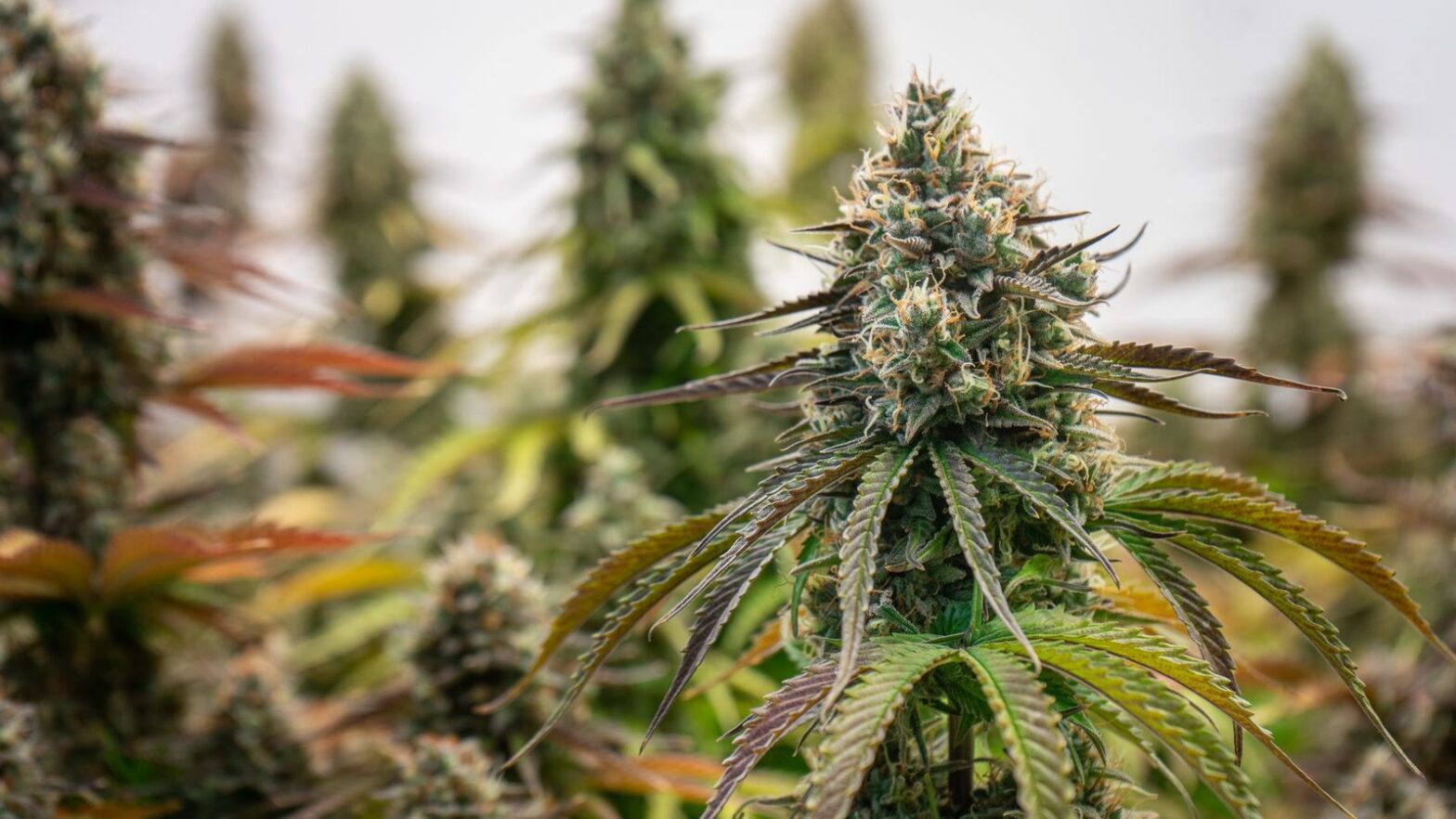
How to Start a Cannabis Business in Minnesota: A Practical Guide for New Operators

Minnesota’s adult-use cannabis market is open, and the licensing framework is actively taking shape. For entrepreneurs looking to enter as cultivators, manufacturers, retailers, or transporters, the path from intent to operation involves multiple regulatory steps, compliance obligations, and business decisions that need to be made in the right order. Getting that sequence wrong costs time and money.

The pages collected here cover the most critical stages of launching a licensed cannabis operation in Minnesota — from understanding what the law requires of operators to learning from businesses that moved early. Whether you’re based in Minneapolis, Duluth, Rochester, Mankato, or a smaller market like Fergus Falls or Worthington, this resource is built for operators who want a clear starting point.

Step 1: Understand the Process Before You Apply

How to Open a Cannabis Business in Minnesota

This page walks through the foundational steps involved in launching a licensed cannabis operation under Minnesota’s regulatory framework. It’s designed for first-time applicants who need a clear picture of what the process looks like before committing resources. If you’re still in the planning phase, this is the right place to start — it frames the sequence of decisions that will shape everything that follows. Read the guide to opening a cannabis business in Minnesota.

Step 2: Know What the State Expects of You as an Operator

Cannabis Businesses in Minnesota: What Operators Need to Know

Operating a licensed cannabis business in Minnesota comes with ongoing obligations that extend well beyond the initial application. This resource covers what the state expects from licensed operators across different business types, including compliance requirements that apply once you’re up and running. It’s particularly useful for applicants who want to understand the full scope of what they’re signing up for — not just how to get a license, but how to keep it. Review what Minnesota cannabis operators need to know.

Cannabis Businesses in Minnesota: Operator Requirements (Additional Resource)

This companion piece covers similar ground with a focus on helping operators understand the regulatory environment from a practical standpoint. It’s worth reading alongside the primary operator guide, as it may address specific scenarios or business structures in more detail. Operators in markets across the state — from Saint Cloud to Moorhead to Albert Lea — will find it relevant regardless of license type. Explore this additional operator requirements resource.

Step 3: Learn from Operators Who Moved First

What Minnesota Cannabis Operators Can Learn from Early Movers

The businesses that entered Minnesota’s cannabis market in its earliest stages encountered challenges and made decisions that later applicants don’t have to repeat from scratch. This page examines what those early operators learned and what that experience means for new entrants today. For anyone preparing a license application or building out an operational plan, the lessons here can help avoid common missteps. See what early movers have taught Minnesota cannabis operators.

Step 4: Get Current on Adult-Use Licensing Requirements

Minnesota Adult-Use Cannabis: What Licensed Operators Need to Know

Minnesota’s adult-use framework introduced specific requirements that differ from the state’s earlier medical program, and staying current on those distinctions matters for anyone pursuing a license today. This page focuses on what licensed operators need to understand about the adult-use structure — including how it affects compliance, operations, and business planning. It’s a practical reference for operators at any stage of the licensing process. Read the adult-use cannabis operator overview for Minnesota.

Use the Directory to Find Licensed Operators in Your Market

Understanding how to start a cannabis business in Minnesota is only part of the picture. Knowing who is already operating in your region — and what license types are active in markets like Brainerd, Willmar, Faribault, or Thief River Falls — gives new applicants useful context for competitive planning and supply chain decisions.

CannaHubMN maintains a Minnesota cannabis business directory built specifically for licensed operators and those preparing to enter the market. Browse by license type, region, or business category to get a clearer picture of the landscape you’re entering. Explore the CannaHubMN directory and use it as a working resource throughout your launch process.

Minnesota Cannabis Business License Types: A Practical Guide for Operators

Minnesota’s adult-use cannabis market is not a single-lane system. The Office of Cannabis Management administers multiple distinct license categories — each with its own eligibility requirements, operational obligations, and compliance standards. For operators in markets from Duluth to Mankato, from Rochester to Moorhead, understanding which license applies to your business model is the first practical step toward entering the industry.

The resources below cover the licensing landscape in detail. Each one addresses a specific piece of the framework. Together, they form a working reference for anyone evaluating entry into Minnesota’s regulated cannabis supply chain.

What Licensure Actually Means in Minnesota

Holding a cannabis license in Minnesota is not simply a permit to operate — it carries ongoing obligations around reporting, inspections, product tracking, and conduct standards. Before evaluating which license type fits your business, it’s worth understanding what the licensed status itself requires of you. This resource breaks down what being a licensed cannabis business in Minnesota actually means in practical terms, so operators enter the process with accurate expectations rather than assumptions.

The Adult-Use Framework: Operator Requirements Across License Types

Minnesota’s adult-use statute establishes a broad set of requirements that apply across the operator category — regardless of whether you’re cultivating, manufacturing, or retailing. Operators in cities like Saint Cloud, Brainerd, and Willmar need to understand how the adult-use rules interact with their specific license before they build out a business plan. This page covers what licensed operators need to know about Minnesota’s adult-use cannabis framework, including the regulatory obligations that cut across all business types.

Cultivator Licensing: Rules Specific to Growing Operations

Cannabis cultivation in Minnesota is governed by rules that go well beyond general operator requirements — canopy limits, facility standards, and seed-to-sale tracking all apply at the cultivator level. Whether you’re considering a microbusiness in the Bemidji area or a larger grow operation near Alexandria, the details matter before you commit to infrastructure. Review Minnesota’s cannabis cultivator rules for licensed operators to understand what the state requires of anyone producing cannabis at a commercial scale.

Transporter Licensing: Moving Product Through the Supply Chain

Cannabis transportation is a licensed activity in Minnesota, distinct from cultivation, manufacturing, and retail. Operators moving product between facilities — whether across the Iron Range or between the Twin Cities metro and outstate markets like Faribault or Owatonna — must hold the appropriate transporter credential and comply with route, manifest, and vehicle requirements. This resource explains what operators need to know about the Minnesota cannabis transporter license, including who needs one and what compliance looks like in practice.

Opening a Cannabis Business in Minnesota: Where to Start

For operators who are still in the planning stage, the licensing question is one of several foundational decisions that need to be made in sequence. Entity structure, local approvals, and application timing all intersect with license type selection. This guide walks through how to open a cannabis business in Minnesota, providing a practical starting point for entrepreneurs in communities across the state — from Grand Rapids to Worthington to Stillwater.

Use the Directory to Find Licensed Operators Near You

Whether you’re building a supply chain, sourcing a business partner, or benchmarking your own operation against others in the market, knowing who holds which license in your region is useful intelligence. CannaHubMN’s Minnesota cannabis business directory is organized by license type and geography, covering operators across the state. Explore the directory to find licensed cannabis businesses operating in your area.

How to Open a Cannabis Business in Minnesota

Minnesota’s adult-use cannabis market is open, regulated, and moving fast. For entrepreneurs and existing operators looking to enter the space, the path forward runs through the Minnesota Office of Cannabis Management (OCM) — the state agency responsible for licensing, compliance, and market oversight. This guide covers the foundational steps for launching cannabis businesses in Minnesota, from license selection to local approvals.

Understand the License Types Available in Minnesota

The OCM issues several distinct license categories. Before you invest in a location or build out a facility, identify which license type fits your intended operation. The primary categories include:

  • Cannabis Retailer — Sells cannabis products directly to adult consumers. This is the license most commonly associated with a dispensary.
  • Cannabis Cultivator — Licensed to grow cannabis plants at a permitted facility. Tier structures govern canopy size and corresponding fees.
  • Cannabis Manufacturer — Produces cannabis-derived products such as edibles, concentrates, and topicals from raw plant material.
  • Cannabis Wholesaler — Purchases and resells cannabis products between licensed businesses without selling directly to consumers.
  • Cannabis Transporter — Moves cannabis and cannabis products between licensed facilities under strict chain-of-custody requirements.
  • Cannabis Microbusiness — A vertically integrated license designed for smaller operators who want to cultivate, manufacture, and retail under one license.
  • Cannabis Mezzobusiness — A mid-tier vertically integrated option with higher canopy and production limits than a microbusiness.

Each license carries its own application requirements, fees, and operational restrictions. Review the OCM’s current licensing framework carefully before committing to a structure.

Meet the Basic Eligibility Requirements

Minnesota’s cannabis statute includes eligibility criteria designed to screen applicants and prioritize certain populations. Key requirements include:

  • Applicants must be at least 21 years of age.
  • Individuals with certain criminal convictions may be disqualified, though Minnesota law includes provisions that limit automatic disqualification for cannabis-related offenses.
  • Social equity applicants — including individuals from communities disproportionately affected by cannabis enforcement — receive priority consideration and may qualify for reduced fees or other benefits under the OCM’s equity framework.
  • Ownership and control disclosures are required for all principals with a financial interest in the business.

Secure a Compliant Business Location

Location is one of the most consequential decisions a cannabis operator makes. Minnesota law establishes statewide buffer requirements — licensed cannabis retailers, for example, cannot operate within 1,000 feet of a school. Beyond state law, individual municipalities across Minnesota have authority to impose additional zoning restrictions or opt out of allowing certain license types within their boundaries.

If you are planning to operate in communities like Rochester, Duluth, Mankato, St. Cloud, Moorhead, Brainerd, Willmar, Fergus Falls, or any of the hundreds of cities and townships across the state, check with the local planning or zoning department early. Municipal approval is a prerequisite for most license applications, and local timelines vary significantly.

Key location factors to evaluate:

  • Zoning classification and permitted use
  • Proximity to schools, daycares, and other restricted uses
  • Municipal ordinance status — has the city opted in or imposed additional restrictions?
  • Facility size relative to license tier requirements
  • Lease terms that account for the regulatory approval timeline

Build Your Business and Compliance Infrastructure

The OCM requires applicants to demonstrate operational readiness, not just intent. Before submitting an application, operators should have the following in place or well underway:

Business Entity Formation

Register your business entity with the Minnesota Secretary of State. Most cannabis operators form an LLC or corporation. Your entity structure affects ownership disclosure requirements, tax treatment, and liability exposure.

Standard Operating Procedures

The OCM expects applicants to document how they will handle inventory, security, employee training, record-keeping, and product handling. These standard operating procedures (SOPs) are reviewed as part of the application and must reflect actual planned operations.

Security Plan

All licensed cannabis facilities in Minnesota must meet physical security standards, including surveillance systems, access controls, and alarm systems. Your security plan should be site-specific and align with OCM requirements.

Seed-to-Sale Tracking

Minnesota uses a state-mandated cannabis tracking system. Every licensee must integrate with this system to record plant counts, harvest weights, product transfers, and retail sales. Familiarity with the platform before launch reduces compliance risk significantly.

Prepare Your Application

OCM applications are submitted through the state’s licensing portal. The application requires detailed information about ownership, financials, the proposed facility, operating plans, and any social equity status claims. Incomplete applications are rejected, so thoroughness matters.

Application fees vary by license type and tier. Cultivator and manufacturer licenses are tiered based on canopy size or production volume. Retailer license fees are set at a flat rate. Social equity applicants may qualify for reduced fees — confirm current fee schedules directly with the OCM, as these figures are subject to change.

Obtain Local Approval

Most Minnesota municipalities require a local cannabis license or permit in addition to the state license. Some cities have established their own application processes, fees, and operating conditions. In smaller communities — from Aitkin to Worthington, from Thief River Falls to Winona — local government engagement is often more direct, but no less important.

Attend city council meetings, engage with local planning staff, and understand whether your municipality has adopted a cannabis ordinance. Operators who skip this step often find their state application stalled waiting on local approval documentation.

Plan for Ongoing Compliance

Receiving a license is the beginning of your compliance obligations, not the end. Minnesota cannabis licensees are subject to:

  • Annual license renewals with updated disclosures
  • OCM inspections of facilities and records
  • Ongoing seed-to-sale tracking requirements
  • Employee background check requirements
  • Product testing and labeling standards for manufacturers and retailers
  • Advertising restrictions that limit how and where cannabis products can be marketed

Operators who invest in compliance systems and staff training from day one are better positioned to pass inspections and avoid license jeopardy.

Find and Connect with Licensed Operators in Minnesota

Whether you are entering the market as a cultivator in the Red River Valley, a retailer in the Twin Cities metro, a transporter serving the Iron Range, or a manufacturer in Greater Minnesota, knowing who else is operating in your region matters. Supply chain relationships, wholesale agreements, and transportation contracts all depend on finding the right licensed partners.

CannaHubMN is a Minnesota cannabis business directory built specifically for licensed operators across the state. From Alexandria to Austin, from Grand Rapids to Owatonna, the directory helps cannabis businesses in Minnesota find each other, verify license status, and build the B2B relationships that keep the supply chain moving.

If you are launching or operating a licensed cannabis business in Minnesota, list your business on CannaHubMN to increase your visibility with other operators statewide.

Minnesota Cannabis Business Directory: A Guide to Every Resource on CannaHubMN

Minnesota’s regulated cannabis market is still taking shape, and finding verified, licensed operators — whether you’re sourcing a supply chain partner, vetting a transporter, or simply confirming a retailer holds a valid license — is not always straightforward. State records exist, but they’re spread across agencies and formats that aren’t built for quick operational decisions.

CannaHubMN was built to close that gap. The pages collected here each serve a distinct purpose within the broader goal of connecting Minnesota cannabis businesses to one another and to the operators they need. This guide explains what each resource covers, who it’s designed for, and why it belongs in your workflow.

For Operators Looking Across the Full Market

Minnesota Cannabis Directory: Find Licensed Operators Statewide

This is the broadest entry point in the CannaHubMN directory ecosystem. It covers licensed operators across Minnesota — from cultivators in the Brainerd Lakes region to retailers serving communities like Mankato, Duluth, and Rochester. If you’re new to the directory or need a wide-angle view of who holds active licenses statewide, this is where to start. Browse the statewide licensed operator directory to orient yourself before narrowing your search.

Minnesota Cannabis Business Directory for Licensed Operators

Where the statewide page casts a wide net, this resource is built specifically for operators doing business with other operators. The framing here is B2B: cultivators looking for manufacturers, manufacturers sourcing distribution, retailers confirming supplier credentials. It’s a practical tool for anyone who needs to verify that a potential partner is operating within Minnesota’s regulatory framework before entering a commercial relationship. Access the cannabis business directory for licensed operators to support your due diligence process.

For Compliance-Focused Searches

Minnesota Cannabis Directory: Finding Licensed Transporters, Testing Facilities, and Compliance Resources

Not every directory search is about finding a retailer or a cultivator. Transporters and testing facilities are critical infrastructure in a compliant cannabis supply chain, and they’re often harder to locate through general searches. This page focuses specifically on those license categories, along with compliance-adjacent resources relevant to operators in markets like St. Cloud, Bemidji, and the Iron Range. Find licensed transporters and testing facilities in Minnesota to fill gaps in your operational network.

Cannabis Businesses in Minnesota: A Directory for Licensed Operators

This resource approaches the directory from a slightly different angle — organized around the category of cannabis businesses in Minnesota as a whole, with licensed operators as the intended audience. It’s useful for operators who need a structured reference point when evaluating the market landscape in a specific region, whether that’s the Twin Cities metro, the Red River Valley, or communities along the Minnesota River corridor. Explore the cannabis businesses in Minnesota directory for a structured market overview.

For Finding Operators by Location

Minnesota Cannabis Directory: How to Find Licensed Operators Near You

Geography matters in cannabis operations. Licensing requirements, local ordinances, and supply chain logistics all vary across Minnesota’s 87 counties. This page is designed to help operators and businesses locate licensed cannabis operators within a specific area — useful whether you’re in Worthington, Thief River Falls, or Stillwater and need to identify who’s operating nearby. Use the location-based cannabis operator search to narrow results by geography.

For Understanding How to Use the Directory Effectively

How Minnesota Cannabis Operators Can Use a Business Directory

A directory is only as useful as the operator who knows how to work it. This page steps back from the listings themselves to explain the practical applications of a cannabis business directory for Minnesota operators — how to search, what to look for in a listing, and how directory tools fit into a broader compliance and sourcing strategy. It’s a good read for anyone new to the platform or looking to get more out of their searches. Learn how to use a Minnesota cannabis business directory effectively before diving into the listings.

Start With the Right Resource

Minnesota’s cannabis industry is growing across the state — from Alexandria and Fergus Falls in the west to Winona and La Crescent in the southeast, and from International Falls down through the Twin Cities metro. The licensed operators building this market deserve tools that match the seriousness of the work.

CannaHubMN’s directory resources are built for that purpose. Whether you’re verifying a partner’s license status, mapping your regional supply chain, or simply trying to understand who’s operating in your area, the pages above give you a structured place to start. Explore the full site to find the directory resource that fits your current need.

Minnesota Cannabis Directory: Find Licensed Operators Statewide

A Cannabis Directory Built for Minnesota Operators

CannaHubMN is a statewide business directory designed specifically for licensed cannabis operators in Minnesota. Whether you are a cultivator in Bemidji, a manufacturer in Saint Cloud, a retailer in Mankato, or a transporter running routes between Duluth and Rochester, this directory exists to connect you with the broader Minnesota cannabis supply chain.

This is not a consumer menu. There are no flash sales, no product countdowns, and no promotional pricing. CannaHubMN is a professional resource for the businesses and individuals operating within Minnesota’s regulated cannabis market under the oversight of the Office of Cannabis Management (OCM).

Who the Directory Serves

Minnesota’s cannabis framework establishes distinct license categories, each with its own operational requirements and compliance obligations. CannaHubMN organizes listings by license type so operators can find relevant business partners quickly and accurately.

  • Cannabis Cultivators: Licensed cultivation operations across Minnesota, from small craft growers in the Brainerd Lakes area to larger facilities near the Twin Cities metro.
  • Cannabis Manufacturers: Businesses licensed to process and produce cannabis products, including edibles, concentrates, topicals, and infused items, operating in communities like Willmar, Fergus Falls, and Owatonna.
  • Cannabis Retailers (Dispensaries): Licensed retail locations serving adult-use and medical customers in cities and towns throughout Minnesota, including Duluth, Rochester, Moorhead, and hundreds of smaller communities statewide.
  • Cannabis Transporters: Licensed logistics operators moving product between licensed facilities — a critical link in the Minnesota supply chain connecting growers, manufacturers, and retailers.
  • Cannabis Microbusinesses and Lower-Potency Hemp Retailers: Smaller-scale operators and hemp-derived product retailers serving local markets from Thief River Falls to Winona.

Why a Dedicated Minnesota Cannabis Directory Matters

Minnesota’s cannabis industry is still in its early operational phase. Licensing is active, new businesses are coming online regularly, and the supply chain is developing in real time. In that environment, operators need reliable, organized information about who is licensed, what they do, and where they operate.

A general web search returns inconsistent results — consumer review platforms, out-of-state operators, and unlicensed listings mixed in with legitimate Minnesota businesses. CannaHubMN filters that noise. Every listing in this directory is focused on Minnesota-licensed cannabis activity, organized by license type and geography so you can find what you need without sorting through irrelevant results.

Coverage Across Greater Minnesota

CannaHubMN covers licensed cannabis businesses across the full state — not just the metro. That includes operators in outstate communities like Alexandria, Baxter, Detroit Lakes, Grand Rapids, Hibbing, International Falls, Little Falls, Marshall, New Ulm, Park Rapids, Redwood Falls, Staples, Virginia, Wadena, and Worthington, among many others.

Minnesota’s cannabis market is not limited to the Twin Cities. Retailers, cultivators, and service providers are establishing operations in regional hubs and smaller communities alike. This directory reflects that geographic reality.

How to Use CannaHubMN

Operators and industry professionals can use the directory to:

  1. Locate licensed cultivators or manufacturers when sourcing product or establishing supply agreements
  2. Identify licensed retailers in a specific region when planning distribution or delivery routes
  3. Research the competitive landscape in a given market before entering a new area
  4. Connect with licensed transporters capable of handling compliant intrastate product movement
  5. Find ancillary service providers — legal, compliance, packaging, and testing — operating within Minnesota

Listing Your Cannabis Business

If you hold a Minnesota cannabis license and your business is not yet listed in the CannaHubMN directory, the process to add your listing is straightforward. Listings are organized by license type and location, making it easier for other operators and industry contacts to find you through the Minnesota cannabis directory.

CannaHubMN does not verify license status independently. Operators are responsible for ensuring their licensing information is current and accurate. For official license verification, consult the Minnesota Office of Cannabis Management directly.

A Resource for the Industry, Not the Consumer

The cannabis industry in Minnesota needs infrastructure built for operators — not just storefronts built for shoppers. CannaHubMN fills that gap by providing a professional, organized, and geographically comprehensive directory of licensed cannabis businesses operating under Minnesota law.

If you work in the Minnesota cannabis industry — as a licensee, a service provider, or an investor evaluating the market — CannaHubMN is the directory built for your work.

Minnesota Cannabis Compliance Requirements for Operators: A Practical Guide

Getting a cannabis license in Minnesota is the starting point, not the finish line. Once licensed, operators across the state — from cultivators in Willmar and Rochester to transporters running routes between Duluth and Saint Cloud — face a layered set of ongoing obligations. Environmental rules, transport regulations, reporting requirements, and the legal definitions that govern day-to-day operations all carry real consequences if mishandled.

This guide brings together the most compliance-critical resources on CannaHubMN into one place. Whether you’re building out your compliance program for the first time or auditing what you already have, these pages give you a clear picture of the regulatory burden Minnesota operators are working under — and what it takes to stay on the right side of it.

Understanding What Licensed Actually Means

Before diving into specific rules, operators need a firm grasp of what licensure means under Minnesota law — and what it doesn’t. The term gets used loosely, but the legal definition carries specific obligations, restrictions, and protections that affect every business decision you make. Read what ‘licensed’ means for cannabis businesses in Minnesota to understand the framework your operation is built on.

Adult-Use Cannabis: The Regulatory Baseline

Minnesota’s adult-use cannabis framework established the core rules that most licensed operators are working within. This includes product requirements, operational standards, and the compliance expectations the Office of Cannabis Management holds operators to. If you’re entering the market or expanding an existing operation, this is the foundational overview to start with. Review what licensed operators need to know about Minnesota adult-use cannabis before moving into more specialized compliance areas.

Cultivator-Specific Rules

Licensed cultivators carry a distinct set of regulatory requirements that go beyond the general adult-use framework. From canopy limits and tracking obligations to facility standards, the rules governing cultivation operations in Minnesota are detailed and specific. Operators running grow facilities in areas like Mankato, Brainerd, or the Iron Range should treat this as required reading. Explore the Minnesota cannabis cultivator rules that licensed operators need to know to make sure your facility is operating within current requirements.

Transportation Compliance

Moving cannabis product between licensed facilities is one of the more tightly regulated activities in the supply chain. Minnesota requires a specific transporter license, and the rules governing vehicle requirements, manifest documentation, and route compliance are not optional. Operators in logistics roles — or any licensee coordinating product movement between sites in cities like Moorhead, Fergus Falls, or Owatonna — need to understand exactly what the transporter license requires. Get the details on the Minnesota cannabis transporter license and what operators need to know to avoid costly compliance gaps in your supply chain.

Environmental Compliance

Cannabis cultivation and manufacturing operations generate environmental obligations that many new operators underestimate. Water use, waste disposal, chemical handling, and energy consumption can all trigger state environmental review requirements. This is an area where non-compliance can surface through channels entirely separate from the Office of Cannabis Management, making it easy to overlook until it becomes a problem. Read the full breakdown of environmental compliance for cannabis businesses in Minnesota to understand which agencies and rules apply to your operation.

Build Your Compliance Program on Solid Information

Minnesota cannabis compliance requirements for operators aren’t static — the regulatory environment is still developing, and the obligations attached to each license type continue to be refined. Staying current matters as much as getting it right the first time.

CannaHubMN is built for licensed operators and businesses working in Minnesota’s cannabis industry. Explore the site to find resources organized by license type, compliance topic, and region — whether you’re operating in the Twin Cities metro, along the Red River Valley, or anywhere else across the state.

What ‘Licensed’ Means for Cannabis Businesses in Minnesota

Why Licensure Is the Starting Point for Every Cannabis Business in Minnesota

When operators, buyers, or partners search a Minnesota cannabis directory, one word carries more weight than any other: licensed. In the cannabis industry, holding a valid state license is not a credential to highlight in marketing — it is the legal baseline required to operate at all. Understanding what that means in practice helps businesses make smarter decisions about who they work with and how they present themselves to the market.

What It Means to Be Licensed

A license is an official document issued by a government authority — in Minnesota’s case, the Office of Cannabis Management (OCM) — that grants a business or individual legal permission to perform a specific activity. Without that document, the activity is unauthorized, regardless of how the business otherwise conducts itself.

In the Minnesota cannabis supply chain, licensure applies across multiple business types:

  • Cannabis cultivators — licensed to grow cannabis plants at approved facilities
  • Cannabis manufacturers — licensed to process plant material into finished products
  • Cannabis retailers (dispensaries) — licensed to sell directly to consumers
  • Cannabis transporters — licensed to move product between licensed facilities
  • Cannabis microbusinesses and mezzobusinesses — licensed to operate across multiple tiers under a single license structure

Each license type carries its own set of requirements, restrictions, and compliance obligations. A cultivator license does not authorize retail sales. A retail license does not authorize manufacturing. The scope of what a business is legally permitted to do is defined entirely by the license it holds.

Licensed vs. Unlicensed: A Meaningful Distinction

The difference between a licensed and an unlicensed cannabis operator in Minnesota is not a technicality — it is the difference between a legal business and an illegal one. Licensed operators have passed state review, met facility and operational standards, and are subject to ongoing oversight. Unlicensed operators have not.

For B2B transactions — wholesale agreements, transportation contracts, input supply arrangements — working with an unlicensed party creates legal exposure for both sides. Minnesota law requires that cannabis product move only between licensed entities within the regulated supply chain. Verifying licensure before entering any business relationship is not optional due diligence; it is a compliance requirement.

How CannaHubMN Approaches Licensure

CannaHubMN is a Minnesota cannabis business directory built for licensed operators across the state — from Moorhead and Duluth to Rochester, Mankato, Saint Cloud, and communities throughout Greater Minnesota. The directory is designed to help licensed businesses find each other: cultivators sourcing inputs, manufacturers seeking distribution, retailers identifying reliable suppliers, and transporters connecting with facilities that need compliant logistics.

Every listing in the directory is intended to represent businesses operating within Minnesota’s regulated cannabis framework. CannaHubMN does not independently verify or certify the license status of listed businesses — operators are responsible for confirming current licensure directly with the OCM before entering any commercial agreement. The directory is a starting point for discovery, not a substitute for due diligence.

What to Confirm Before Doing Business

When evaluating a potential partner through any Minnesota cannabis directory, licensed status should be the first thing you confirm — not the last. Here is what to look for:

  1. License type — Does the license cover the activity you need? A cultivator license and a retailer license are not interchangeable.
  2. License status — Is the license currently active, or has it lapsed, been suspended, or been revoked?
  3. License scope — Are there geographic or operational restrictions attached to the license?
  4. Facility approval — Has the licensed business received approval for the specific facility where operations will take place?

The OCM maintains public records of licensed cannabis businesses in Minnesota. Cross-referencing a directory listing against OCM records is the most reliable way to confirm that a business is authorized to operate as represented.

Licensure Across Minnesota Communities

Minnesota’s cannabis licensing framework applies statewide — from metro-area operators in Minneapolis, Saint Paul, and Bloomington to businesses in smaller communities like Bemidji, Brainerd, Willmar, Fergus Falls, and Worthington. The license requirements do not vary by city size or region. A cannabis cultivator in Crookston operates under the same OCM framework as one in Burnsville.

This consistency matters for B2B operators working across regions. A transporter licensed in Duluth can move product to a licensed retailer in Albert Lea under the same regulatory structure. The license is the common language of the Minnesota cannabis supply chain, regardless of where in the state a business is located.

Using the Directory Effectively

CannaHubMN is built to serve licensed cannabis operators in Minnesota — not consumers, not hobbyists, and not businesses operating outside the regulated market. If you are a licensed operator looking to expand your network, find compliant partners, or increase your visibility among other industry professionals across Minnesota, the directory is the right tool.

Start with licensure. Build from there.

Minnesota Cannabis Business Directory: Transporter Licenses Explained

Why Cannabis Transportation Licensing Matters in Minnesota

Moving cannabis products between licensed facilities is not a casual logistical task. In Minnesota, it is a regulated activity that requires a specific license, defined procedures, and documented chain-of-custody records. For cultivators in Bemidji or Brainerd shipping biomass to a manufacturer in Saint Cloud, or for a manufacturer in Mankato delivering finished products to a dispensary in Rochester, the transporter in the middle carries both legal and operational weight.

The Minnesota cannabis business directory at CannaHubMN is built to help operators across the state identify and connect with licensed cannabis transporters — and to understand what that license actually means before they sign a service agreement.

What a Cannabis Transporter License Covers

Under Minnesota’s adult-use cannabis framework, a cannabis transporter license authorizes a business to move cannabis flower, cannabis products, and hemp-derived products between licensed cannabis businesses. This includes cultivators, manufacturers, retailers, microbusinesses, and testing facilities.

A licensed transporter is not permitted to sell cannabis. Their role is strictly logistical: pick up, transport, and deliver — with full manifest documentation at every stage. The Minnesota Office of Cannabis Management (OCM) sets the requirements for how those manifests are structured, what vehicle standards apply, and how employees must be credentialed.

Transporters operating without a valid license — or moving product outside the manifest system — expose themselves and their clients to serious regulatory consequences, including license suspension or revocation.

Who Needs a Cannabis Transporter in Minnesota

Any licensed cannabis business that cannot self-transport its product needs a third-party transporter. That includes:

  • Cultivators moving harvested cannabis to a licensed manufacturer or testing facility
  • Manufacturers delivering finished products to retail dispensaries or fulfillment hubs
  • Microbusinesses that lack the fleet or staffing to handle their own logistics
  • Retailers receiving inventory from multiple upstream suppliers across the state

Minnesota’s licensed cannabis supply chain spans a wide geography — from Thief River Falls and Crookston in the northwest to Winona and La Crescent along the Mississippi, and from Duluth on the Iron Range down through the Twin Cities metro. Reliable, licensed transport is a functional requirement for any operator working across that footprint.

Key Requirements for Minnesota Cannabis Transporters

While the OCM continues to issue and refine its operational guidance, cannabis transporters in Minnesota are generally expected to meet the following standards:

  • Valid OCM transporter license — issued and in good standing before any product movement begins
  • Employee background checks — all drivers and transport agents must meet state eligibility requirements
  • Vehicle standards — transport vehicles must be enclosed, lockable, and compliant with state specifications
  • Seed-to-sale tracking — all shipments must be logged in Minnesota’s cannabis tracking system with accurate manifests
  • Insurance coverage — commercial auto and cargo insurance at levels specified by the OCM
  • No product diversion — transporters may not deliver to unlicensed locations or individuals under any circumstances

Operators sourcing a transporter should request proof of licensure and review the transporter’s manifest procedures before entering a service relationship. CannaHubMN does not verify license status on behalf of listed businesses — operators should confirm current license standing directly with the OCM.

Finding Licensed Transporters Through CannaHubMN

The Minnesota cannabis business directory at CannaHubMN organizes licensed operators by business type and region. Transporters are listed alongside cultivators, manufacturers, retailers, and other license categories, giving operators a single reference point for building their supply chain relationships.

Whether you’re a licensed cultivator in Alexandria looking for a transporter that services the I-94 corridor, or a dispensary in Faribault sourcing a carrier that covers the southern metro and Greater Minnesota, the directory is structured to surface relevant options without requiring you to navigate multiple state databases.

Listings include business contact information and license type. Operators are responsible for conducting their own due diligence on any business they engage.

Self-Transport: When It’s an Option

Some Minnesota cannabis license types permit the licensee to transport their own product under specific conditions. Microbusinesses and certain other license categories may have self-transport provisions built into their license. If your license type includes self-transport authority, you are still required to comply with all manifest, vehicle, and employee credentialing requirements that apply to third-party transporters.

If you are uncertain whether your license permits self-transport, consult the OCM’s current licensing guidance or a qualified cannabis compliance professional before moving any product.

Staying Current as Minnesota’s Rules Evolve

Minnesota’s adult-use cannabis program is still maturing. The OCM continues to publish updated rules, guidance documents, and licensing bulletins as the regulatory framework develops. Transporter requirements — including manifest formats, vehicle standards, and insurance minimums — may be updated as the program scales.

CannaHubMN monitors regulatory developments and updates directory content accordingly. Operators in markets from Moorhead to Stillwater and from International Falls to Austin should treat OCM communications as the authoritative source for compliance requirements, and use the Minnesota cannabis business directory as a practical tool for finding the licensed partners they need to operate.

List Your Cannabis Transport Business

If you hold a valid Minnesota cannabis transporter license and serve operators across the state, CannaHubMN offers directory listings for licensed cannabis businesses. Getting listed connects you with cultivators, manufacturers, and retailers actively looking for compliant transport partners in their region.

Visit cannahubmn.com to learn more about listing your business in the Minnesota cannabis business directory.

Minnesota Cannabis Business Directory for Licensed Operators

A Cannabis Directory Built for Minnesota Operators

CannaHubMN is a Minnesota cannabis business directory designed specifically for licensed operators working within the state’s regulated market. Whether you’re sourcing a cultivation partner in Mankato, vetting a transporter in Duluth, or identifying retail accounts in Rochester, this directory gives you a single, organized starting point for B2B discovery across Minnesota.

This is not a consumer-facing review platform. CannaHubMN exists to serve the operational side of the industry — cultivators, manufacturers, retailers, and transporters who need accurate, professional information about other licensed businesses in their region.

Who the Directory Covers

Minnesota’s cannabis market operates under a structured licensing framework administered by the Office of Cannabis Management (OCM). CannaHubMN organizes listed businesses by license type, making it straightforward to identify the right category of operator for your supply chain or partnership needs.

Cannabis Cultivators

Licensed cultivators operating across Minnesota — from facilities in the St. Cloud area to operations near Bemidji and Worthington — are listed with relevant business details. If you’re a manufacturer or retailer looking to establish a supply relationship, the cultivator directory is your starting point.

Cannabis Manufacturers

Processors and manufacturers licensed to produce cannabis products in Minnesota are indexed here. This includes operations in markets like Minneapolis, Duluth, and Moorhead, as well as smaller regional facilities serving outstate communities.

Cannabis Dispensaries and Retailers

Licensed cannabis retailers serve communities throughout the state — from Thief River Falls in the northwest to Winona along the Mississippi. The retail directory helps cultivators, manufacturers, and transporters identify active accounts and potential wholesale partners by geography.

Cannabis Transporters

Compliant product movement between licensed facilities depends on licensed transporters. The transporter section of the directory covers operators authorized to move cannabis inventory between cultivators, manufacturers, and retailers across Minnesota’s road network.

Why a Minnesota-Specific Directory Matters

National cannabis directories aggregate data from dozens of states, which creates noise for operators focused exclusively on Minnesota. Licensing requirements, compliance obligations, and supply chain logistics here differ from those in other markets. A directory scoped to Minnesota — and to the communities where licensed businesses actually operate — is more useful than a national database filtered by state.

CannaHubMN covers licensed operators in cities and towns across the full geography of the state, including Albert Lea, Alexandria, Brainerd, Crookston, Fairmont, Fergus Falls, Grand Rapids, Hibbing, Hutchinson, International Falls, Marshall, New Ulm, Owatonna, Park Rapids, Red Wing, Shakopee, Stillwater, Virginia, Waconia, and Willmar, among many others.

How to Use the Directory

CannaHubMN is structured for practical use by cannabis industry professionals. Here’s how operators typically engage with it:

  • Cultivators use the retail and manufacturer sections to identify potential buyers and processing partners within the state.
  • Manufacturers reference the cultivator directory to evaluate sourcing options and the transporter section to plan logistics.
  • Retailers browse cultivator and manufacturer listings to diversify their product supply and establish direct wholesale relationships.
  • Transporters use the full directory to understand where licensed facilities are concentrated and plan route coverage accordingly.

Listing Your Business

If you hold a valid Minnesota cannabis license and want your business included in the CannaHubMN directory, the process is straightforward. Listings are organized by license type and geographic region, giving your operation visibility among the operators most likely to need your services.

CannaHubMN does not verify license status independently — operators are responsible for confirming the current licensing standing of any business they engage with through the directory. For license verification, consult the Minnesota Office of Cannabis Management directly.

Supporting Minnesota’s Cannabis Industry

Minnesota’s regulated cannabis market is still in its early stages, and the infrastructure for B2B discovery is still developing. CannaHubMN is built to fill that gap — providing a professional, Minnesota-focused resource where licensed operators can find each other, evaluate potential partners, and build the supply chain relationships that a functional market requires.

Browse the directory by license type or region to find the Minnesota cannabis businesses relevant to your operation.

Minnesota Cannabis Business Directory: Licensing & Operators Guide

What the Minnesota Cannabis Business Directory Covers

CannaHubMN is a Minnesota cannabis business directory built for operators, not consumers. Whether you are a licensed cultivator in Mankato, a manufacturer in Saint Cloud, a retailer in Duluth, or a transporter moving product between Rochester and Minneapolis, this directory exists to help you find the businesses and partners that keep Minnesota’s regulated cannabis supply chain moving.

Minnesota’s adult-use cannabis framework, established under the Office of Cannabis Management (OCM), created a structured licensing system with distinct license types. Understanding those license categories is the first step toward operating compliantly and building the right business relationships.

Minnesota Cannabis License Types

The OCM issues licenses across several operational categories. Each license type carries its own regulatory requirements, canopy or production limits, and compliance obligations. The primary license categories include:

  • Cannabis Cultivator: Licensed to grow cannabis plants at approved facilities. Cultivators in areas like Brainerd, Willmar, and Fergus Falls operate under canopy limits and must meet state tracking and testing requirements.
  • Cannabis Manufacturer: Licensed to process cannabis into products such as edibles, concentrates, and topicals. Manufacturers must operate in compliant facilities and maintain batch records subject to state inspection.
  • Cannabis Retailer: Licensed to sell cannabis products directly to adults 21 and older. Retailers in cities like Moorhead, Owatonna, Stillwater, and Shakopee must comply with local zoning ordinances in addition to state licensing rules.
  • Cannabis Microbusiness: A vertically integrated license allowing smaller operators to cultivate, manufacture, and sell within defined limits. Microbusinesses are a viable entry point for operators in smaller communities such as Aitkin, Wadena, or Park Rapids.
  • Cannabis Transporter: Licensed to move cannabis and cannabis products between licensed facilities. Transporters are a critical link in the supply chain, connecting cultivators, manufacturers, and retailers across Minnesota’s geography.
  • Cannabis Wholesaler: Licensed to purchase cannabis products from cultivators and manufacturers and sell them to retailers, without operating a consumer-facing storefront.
  • Cannabis Delivery Service: Licensed to deliver cannabis products directly to consumers from a licensed retailer. Delivery operators must comply with route and record-keeping requirements set by the OCM.
  • Lower-Potency Hemp Edible Manufacturer and Retailer: Businesses producing or selling lower-potency hemp-derived edibles operate under a separate but related licensing track, with distinct THC concentration limits.

Why License Type Matters for Business Relationships

In a vertically restricted market, knowing which license a potential partner holds determines what transactions are legally permitted. A licensed cultivator in Alexandria cannot sell directly to a consumer. A retailer in Northfield cannot purchase from an unlicensed source. The Minnesota cannabis business directory at CannaHubMN is organized by license type precisely because those distinctions govern every legitimate business relationship in the state.

Operators looking to source product, negotiate wholesale agreements, arrange transport, or identify co-manufacturing partners need accurate, license-type-specific information. That is what this directory provides.

Local Compliance Considerations Across Minnesota

State licensing is necessary but not sufficient. Minnesota municipalities retain authority to regulate cannabis businesses through zoning, hours of operation, and local licensing requirements. Cities including Duluth, Rochester, Saint Paul, and Minneapolis have each developed their own local frameworks. Smaller communities — from Thief River Falls to Faribault to Worthington — are at various stages of adopting or opting out of local cannabis retail.

Operators should confirm both state OCM licensure status and local municipal approval before entering into supply agreements or lease commitments. CannaHubMN does not verify the current license status of listed businesses; operators are responsible for confirming active licensure directly with the OCM or through official state records.

Social Equity and Ownership Considerations

Minnesota’s cannabis law includes provisions intended to support social equity applicants — individuals from communities disproportionately affected by prior cannabis enforcement. The OCM has established application priority and fee reduction programs for qualifying applicants. Operators in communities across the state, from Bemidji to Albert Lea to Cloquet, should review OCM guidance on social equity eligibility if they believe they may qualify.

How to Use the CannaHubMN Directory

The Minnesota cannabis business directory on CannaHubMN is organized to support B2B discovery. You can search by license type, region, or city to identify licensed operators relevant to your supply chain or partnership needs. Listings include business contact information and license category as reported by the listing operator.

If you operate a licensed cannabis business in Minnesota — whether in Grand Rapids, Mankato, Moorhead, Elk River, or anywhere else on the OCM’s licensed operator list — you can submit your business for inclusion in the directory. Listing your operation makes it easier for cultivators, manufacturers, retailers, and transporters to find you through a Minnesota-specific, industry-focused platform.

Staying Current with OCM Rulemaking

Minnesota’s cannabis regulatory framework is still maturing. The OCM continues to issue rulemaking guidance, update license application windows, and refine compliance requirements across all license categories. Operators in every part of the state — from the Iron Range communities of Hibbing and Virginia to the southern Minnesota cities of Austin and Winona — should monitor OCM announcements directly and consult qualified legal counsel for compliance decisions.

CannaHubMN is a directory resource, not a regulatory authority. Nothing in this directory constitutes legal advice or a representation that any listed business is currently licensed or in compliance with state or local law.