Privacy Policy — CannaHubMN Minnesota Cannabis Directory

Privacy Policy

This Privacy Policy describes how CannaHubMN (https://cannahubmn.com), a Minnesota cannabis directory serving licensed cannabis operators and industry professionals, collects, uses, and safeguards information when you interact with our website. By using CannaHubMN, you agree to the practices described below.

Who We Are

CannaHubMN is a business-to-business directory platform focused on cannabis businesses in Minnesota. Our website is located at https://cannahubmn.com. Questions about this policy can be directed to us through the contact information provided on our site.

Information We Collect

Comments and User Submissions

When you leave a comment or submit content on CannaHubMN, we collect the information entered in the submission form, along with your IP address and browser user agent string. This data is used to assist with spam detection and site security.

If you provide an email address, an anonymized hash of that address may be sent to the Gravatar service to determine whether you have a profile image associated with it. You can review Gravatar’s privacy practices at https://automattic.com/privacy/. If a Gravatar image is found, it may be displayed publicly alongside your comment once approved.

Uploaded Media

If you upload images to the site, please be aware that uploaded files may contain embedded metadata, including GPS location data (EXIF data). Other visitors may be able to download these files and extract any location information they contain. We recommend removing sensitive location data from images before uploading.

Cookies

CannaHubMN uses cookies in the following circumstances:

  • Comment convenience: If you leave a comment and opt in, your name, email address, and website URL may be saved in cookies for up to one year, so you do not need to re-enter that information on future visits.
  • Browser compatibility check: When you visit our login page, a temporary cookie is set to verify that your browser accepts cookies. This cookie contains no personal data and is deleted when you close your browser.
  • Login session: Upon logging in, cookies are set to maintain your session and display preferences. Standard login cookies persist for two days; screen option cookies last up to one year. Selecting “Remember Me” extends login persistence to two weeks. Logging out removes all login cookies.
  • Article editing: If you publish or edit a listing or article, a short-lived cookie records the post ID of the content you edited. This cookie contains no personal data and expires after one day.

Embedded Third-Party Content

Pages on CannaHubMN may include embedded content from external sources, such as videos, maps, or articles. Embedded content from third-party sites behaves as though you visited those sites directly. Those third parties may collect data about you, set their own cookies, deploy additional tracking technologies, and monitor your interactions with their embedded content — particularly if you are logged into an account on their platform.

How We Share Your Data

CannaHubMN does not sell personal data. We share data only in limited circumstances:

  • If you request a password reset, your IP address will be included in the reset email as a security measure.
  • Visitor comments may be routed through an automated spam detection service.

Data Retention

Comments and their associated metadata are retained indefinitely. This allows us to recognize and process follow-up comments efficiently without holding them in a moderation queue.

For registered users, we retain the personal information provided in your user profile for as long as your account remains active. Registered users may view, update, or delete their personal information at any time through their account settings, with the exception of their username. Site administrators also have the ability to view and edit user profile information.

Your Data Rights

If you have a registered account on CannaHubMN or have submitted comments, you have the right to:

  • Request an exported copy of the personal data we hold about you.
  • Request deletion of any personal data we hold about you.

Please note that these rights do not extend to data we are required to retain for administrative, legal, or security purposes. To submit a data request, contact us through the information provided on our website.

Where Your Data Is Processed

Data submitted through CannaHubMN, including visitor comments, may be processed by third-party services for spam detection and security purposes. These services operate under their own privacy policies, which we encourage you to review.

Updates to This Policy

We may update this Privacy Policy periodically to reflect changes in our practices or applicable regulations. When we do, the revised policy will be posted on this page. Continued use of the CannaHubMN Minnesota cannabis directory following any update constitutes acceptance of the revised terms.
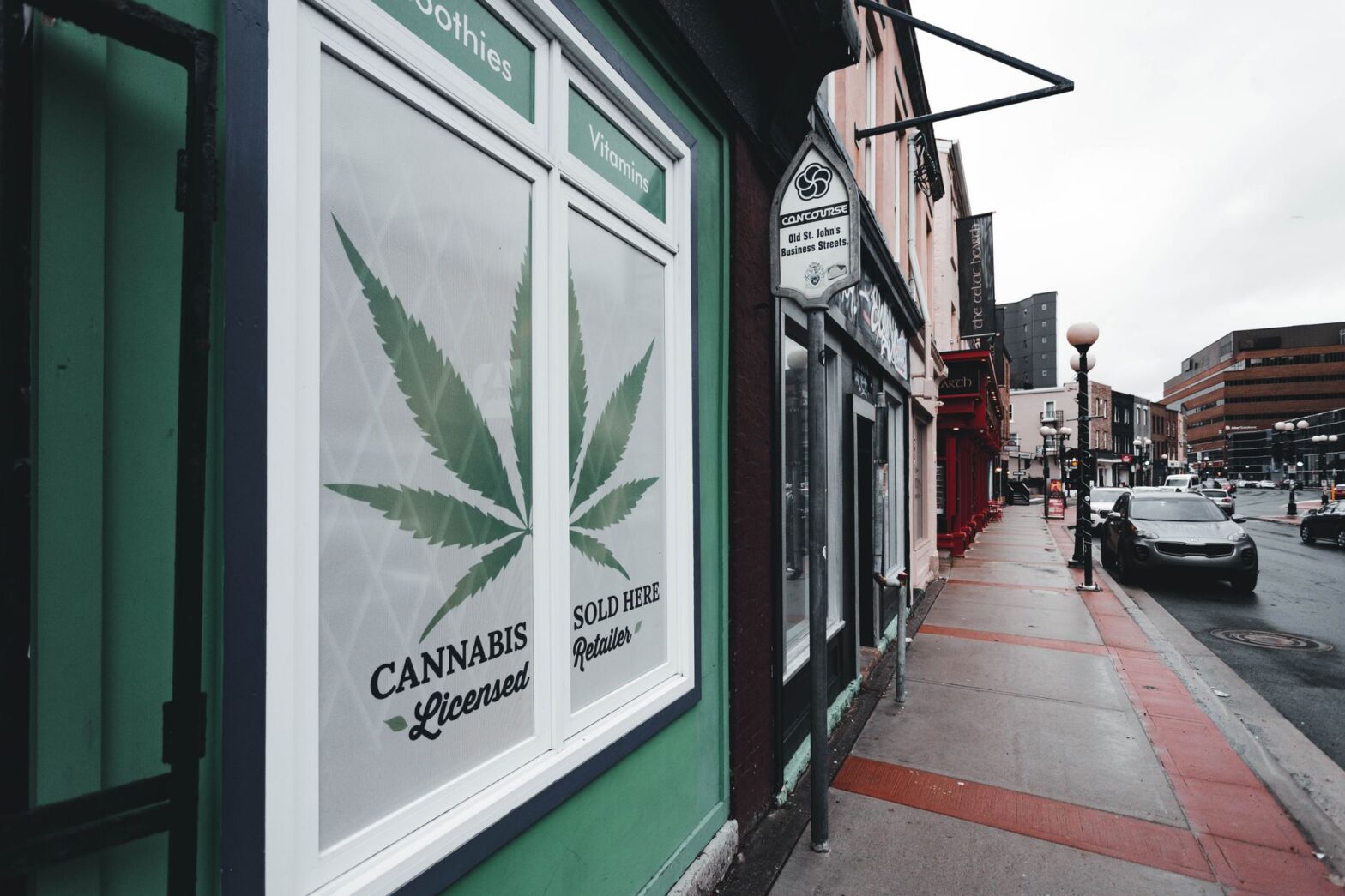
What 420 Sales Data Means for Cannabis Businesses in Minnesota

Reading the 2025 420 Data as a Minnesota Operator

April 20th has become the single highest-revenue day on the cannabis retail calendar. In 2025, it landed on Easter Sunday — an overlap that forced operators across the country to rethink promotional timing, staffing, and channel strategy. The results varied sharply by market, and the patterns are worth examining closely for cannabis businesses in Minnesota as the state’s adult-use market continues to take shape.

This isn’t a recap of national headlines. It’s a practical look at what the data signals for Minnesota cultivators, manufacturers, retailers, and transporters planning for the year ahead.

The Easter Overlap Rewrote the Promotional Calendar

When a major retail holiday falls on a day when a significant portion of your customer base has competing obligations, the window shifts. That’s exactly what happened in 2025. Operators who recognized this early and launched promotions beginning April 16th captured the bulk of holiday volume on Friday the 18th and Saturday the 19th.

Across participating markets, the extended promotional window produced measurable results compared to a standard April weekend:

  • Total buyers increased by approximately 65%
  • Units sold rose by roughly 81%
  • Revenue climbed by around 62%

Sunday itself was slower in most markets, but operators who had already moved volume through the prior two days largely absorbed that dip without significant impact on overall weekend performance.

For Minnesota retailers, the lesson is structural: a single-day promotional strategy leaves revenue on the table. Multi-day campaigns tied to high-traffic periods — whether 420, a product launch, or a seasonal shift — give operators more surface area to capture demand.

Digital Channels Outperformed Walk-In Traffic in Several Markets

Online ordering and eCommerce activity showed strong gains nationally during the 420 window. Compared to a typical March weekend, dispensaries with active digital storefronts reported:

  • Online revenue up approximately 32.5%
  • Order volume up roughly 39.5%
  • Average cart size up around 16.5%
  • Website sessions up approximately 33%

Organic search drove the most traffic, but owned channels — email lists and SMS — produced the sharpest spikes. Consumers who had opted into direct communication from a retailer converted at higher rates than those arriving through paid or referral channels.

Minnesota’s regulatory framework around advertising and digital sales continues to evolve, but the directional signal is clear: operators who build direct relationships with their customer base before a high-demand period are better positioned to capture that demand efficiently.

Product Mix: Flower and Pre-Rolls Led Volume, Vapes Led Revenue

Nationally, flower accounted for approximately 28% of online orders during the 420 period, with pre-rolls close behind at around 27.5%. Vape products represented a smaller share of total units — roughly 18% — but generated nearly double the revenue of pre-rolls on a per-category basis.

This split matters for Minnesota manufacturers and retailers thinking about inventory planning and margin strategy. High-volume categories like flower and pre-rolls drive transaction counts and basket frequency. High-value categories like vapes drive revenue per unit. A well-structured product mix addresses both, particularly during peak demand windows when shelf availability directly affects sales outcomes.

For cultivators supplying into retail, understanding which formats move during promotional periods helps align production planning with actual sell-through velocity — not just wholesale order patterns.

What State-Level Variation Tells Us About Market Maturity

The 2025 420 data showed significant performance differences across state markets, and the results didn’t always favor established programs. A few data points worth noting:

  • California recorded a 185% sales increase on April 20th itself, outperforming national trends despite being one of the most saturated markets in the country.
  • Massachusetts saw 420 sales of approximately $4.87 million — a 54% decline from the prior year’s holiday total.
  • Illinois retailers averaged over $50,000 in revenue per store across the weekend.
  • Michigan experienced a roughly 43.5% year-over-year drop, attributed in part to the Easter overlap and limited promotional activity.
  • Ohio, in its first legal 420, generated over $3 million in adult-use sales statewide.
  • New Jersey brought in approximately $14.76 million across the Friday-through-Sunday window.

The pattern that emerges: market maturity alone does not guarantee strong holiday performance. Execution — promotional timing, channel activation, product availability — accounts for a meaningful share of the outcome. Markets that saw declines often cited limited promotional activity or illicit market competition as contributing factors.

Minnesota is an emerging adult-use market. That positioning carries real advantages during high-demand periods: consumer curiosity is high, licensed operators have an opportunity to establish purchase habits early, and the competitive landscape is still forming. Operators who treat 420 and similar peak periods as strategic moments — not just busy days — are more likely to build durable customer relationships.

What This Means for Planning in Minnesota

The 2025 data reinforces a few operational principles that apply directly to cannabis businesses in Minnesota:

  1. Start promotional activity earlier than feels necessary. The strongest sales days in 2025 were the 48 hours before the holiday, not the holiday itself. Build campaigns that create urgency before the peak.
  2. Invest in owned communication channels. Email and SMS outperformed paid and organic traffic during the 420 window. A direct line to your customer base is a durable asset.
  3. Balance your product mix intentionally. High-volume and high-value categories serve different functions in your revenue structure. Know which products drive transactions and which drive margin.
  4. Track performance against your own baselines. National averages are context, not benchmarks. Minnesota’s market conditions — licensing pace, regional density, consumer demographics — will shape your specific outcomes.
  5. Treat emerging market status as an advantage. Early-stage markets showed strong consumer enthusiasm in 2025. Minnesota operators have a window to establish brand recognition and customer loyalty before the market matures and competition intensifies.

Finding and Connecting with Licensed Operators in Minnesota

Whether you’re a retailer looking to source from in-state cultivators and manufacturers, a transporter building out your route network, or a new licensee trying to understand who’s operating in your region, visibility into the licensed operator landscape is a practical business need.

CannaHubMN maintains a directory of cannabis businesses in Minnesota, organized by license type and region. It’s a starting point for supply chain connections, partnership outreach, and market research — built specifically for the operators, not the consumer market.

Explore the directory at cannahubmn.com.

Related reading: Minnesota cannabis compliance requirements for operators · how to open a cannabis business in Minnesota · what licensed means for cannabis businesses in Minnesota


Minnesota Cannabis Transporter License: What Operators Need to Know

Why the Transporter License Exists

Minnesota’s adult-use cannabis framework, established under the 2023 legalization legislation and administered by the Office of Cannabis Management (OCM), treats transportation as a distinct, regulated activity. Moving cannabis products between a cultivator, manufacturer, retailer, or any other licensed facility is not incidental to the supply chain — it is a licensed function in its own right.

Any business or individual that transports cannabis products on behalf of another licensed operator in Minnesota must hold a cannabis transporter license. Operating without one exposes both the transporter and the originating licensee to enforcement action, including license suspension or revocation.

Who Needs a Cannabis Transporter License in Minnesota

The transporter license applies to third-party logistics operators and in-house transport operations that move cannabis products between licensed premises. This includes transfers between:

  • Cannabis cultivators and manufacturers
  • Manufacturers and retailers or dispensaries
  • Any two licensed cannabis businesses where product changes physical custody during transit

Businesses that operate entirely within a single licensed premises — for example, moving product between rooms inside a licensed facility — are not subject to the transporter license requirement. The license is triggered by movement on public roads between distinct licensed locations.

Operators in cities such as Duluth, Rochester, Saint Cloud, Mankato, Moorhead, and Brainerd, as well as smaller communities across greater Minnesota, are subject to the same statewide licensing requirements regardless of local ordinances.

Core Requirements for Obtaining a Minnesota Cannabis Transporter License

Application Through the OCM

Transporter license applications are submitted to the Minnesota Office of Cannabis Management. The OCM manages the application portal, reviews submissions, and issues licenses. CannaHubMN is not affiliated with the OCM and does not process license applications.

Applicants should expect to provide:

  • Business entity information, including ownership structure and controlling persons
  • A detailed description of transport operations, including vehicle types and routes
  • Background check authorization for all owners and controlling individuals
  • Proof of a registered business address in Minnesota
  • A social equity plan, if applicable under OCM guidelines

Vehicle and Equipment Standards

Vehicles used for cannabis transport must meet OCM specifications. Requirements address secure storage within the vehicle, GPS tracking capability, and restrictions on leaving product unattended. Operators transporting between facilities in areas like the Iron Range, the Red River Valley, or the Twin Cities metro should account for route planning that keeps vehicles compliant with these standards at all times.

Manifest and Tracking Requirements

Every transport of cannabis product must be accompanied by a manifest that documents the origin facility, destination facility, product type, quantity, and the license numbers of both parties. Manifests must be generated through the state’s seed-to-sale tracking system and must be available for inspection during transit. Discrepancies between manifest records and actual product quantities are a primary trigger for compliance audits.

Employee Qualifications

Drivers and transport employees must meet minimum age requirements and pass background screening. The OCM may impose additional training or certification requirements. Businesses hiring transport staff in communities across Minnesota — from Worthington and Marshall in the southwest to Hibbing and Virginia on the Iron Range — should build background check timelines into their onboarding process.

Operational Compliance After Licensing

Holding a Minnesota cannabis license for transport is not a one-time event. Licensees are subject to ongoing compliance obligations, including:

  • Renewing the license on the schedule established by the OCM
  • Updating the OCM when ownership, vehicle inventory, or operational scope changes
  • Maintaining manifest records for the retention period specified in state rules
  • Cooperating with OCM inspections and audits

Failure to maintain compliance after licensure can result in the same enforcement consequences as operating without a license. The OCM has authority to impose civil penalties, suspend operations, or revoke a transporter license.

How the Transporter License Fits the Broader Supply Chain

The transporter license is one of several license types the OCM issues to cannabis businesses in Minnesota. The full license structure includes cultivators, manufacturers, retailers, microbusinesses, mezzobusinesses, and others. Transporters occupy a critical position in this system — without licensed transport, product cannot legally move between any two points in the supply chain.

For operators building out a cannabis business in Minnesota, understanding where the transporter license intersects with your own license type is essential. A licensed cultivator in the Brainerd Lakes area shipping product to a manufacturer in the Saint Cloud region, for example, must ensure the carrier holds a valid transporter license before any product leaves the cultivation facility.

Finding Licensed Cannabis Transporters in Minnesota

CannaHubMN maintains a directory of cannabis businesses operating across Minnesota, including licensed transporters. Operators in need of transport partners — whether in the Twin Cities metro, outstate communities like Fergus Falls, Bemidji, or Winona, or anywhere else on the list of Minnesota communities we serve — can use the directory to identify businesses holding the appropriate license type.

The directory is a search and discovery tool. Inclusion in the directory does not constitute endorsement of any business, and CannaHubMN does not independently verify current license status. Operators should confirm active licensure directly with the OCM before entering into any transport agreement.

Cannabis Businesses in Minnesota: What Operators Need to Know

Minnesota’s Cannabis Market Is Open for Business

Minnesota’s adult-use cannabis framework became law on May 30, 2023, with recreational sales permitted starting August 1, 2023. Non-tribal retail sales launched on September 16, 2025, marking a significant operational milestone for licensed cannabis businesses in Minnesota. The regulatory structure is administered by the Minnesota Office of Cannabis Management (OCM), which oversees licensing across all business types.

Industry analysts project the Minnesota cannabis market could approach $1.5 billion in annual revenue by 2029. That trajectory creates real demand for operators across the supply chain — cultivators, manufacturers, retailers, transporters, and delivery services — in communities ranging from Minneapolis and Saint Paul to smaller markets like Alexandria, Moorhead, Duluth, Rochester, and Mankato.

License Types Active in Minnesota

The OCM issues several distinct license categories. Understanding which license type applies to a given operation is essential before entering the market or evaluating an acquisition. The primary categories include:

  • Cannabis Cultivator: Licensed to grow cannabis plants at a permitted facility. Cultivators supply product to manufacturers and retailers within the regulated supply chain.
  • Cannabis Manufacturer: Licensed to process cannabis into finished products, including edibles, concentrates, and other formulations.
  • Cannabis Retailer: Licensed to sell cannabis products directly to adult consumers at a physical storefront location.
  • Cannabis Transporter: Licensed to move cannabis and cannabis products between licensed facilities across the state.
  • Retailer Non-Storefront (Delivery): Licensed to fulfill consumer orders through home delivery rather than a physical retail location.
  • Microbusiness: A vertically integrated license that permits cultivation, manufacturing, and retail under a single license, subject to canopy and production limits.
  • Mezzobusiness: A mid-tier license structure that allows broader operational scope than a microbusiness but with different thresholds than a standard cultivator or retailer license.
  • Consumption Lounge: Licensed to operate a space where adults may consume cannabis products on-premises.

Where Cannabis Businesses Are Operating in Minnesota

Licensed cannabis businesses in Minnesota are distributed across the state — not concentrated solely in the Twin Cities metro. Operators have established or are pursuing licenses in communities including Alexandria, Moorhead, Duluth, Saint Paul, Minneapolis, Rochester, Mankato, Willmar, Brainerd, and Fergus Falls, among others. Rural and outstate markets represent genuine opportunity, particularly for microbusiness license holders who can serve local demand with a streamlined operational structure.

For operators evaluating market entry, geography matters. Local zoning ordinances, proximity to schools and parks, and municipal opt-in or opt-out decisions all affect where a licensed business can legally operate. Operators should verify local requirements directly with the relevant city or county before committing to a location.

Buying or Transferring a Cannabis License in Minnesota

As the market matures, license transfers and business acquisitions are becoming more common. Buyers evaluating an existing cannabis business should conduct thorough due diligence on the license status, compliance history, facility condition, and any outstanding regulatory actions. The OCM must approve ownership changes and license transfers — this process has its own timeline and documentation requirements that affect deal structure.

License types currently appearing in the market include retail dispensary licenses, cultivation licenses, manufacturing licenses, microbusiness licenses, and transportation licenses. Asking prices vary considerably based on license type, operational status, location, and whether the business is actively generating revenue.

Using CannaHubMN to Find Licensed Operators

CannaHubMN is a Minnesota cannabis business directory built for B2B operators — not consumers. The directory is designed to help licensed businesses find each other: cultivators sourcing retail partners, manufacturers identifying distributors, retailers locating compliant suppliers, and new entrants mapping the competitive landscape in their target market.

The directory covers licensed cannabis operators across Minnesota, including communities throughout the Twin Cities metro, the Iron Range, the Red River Valley, the Minnesota River Valley, and Greater Minnesota. Whether you are evaluating a market in Worthington, Two Harbors, Thief River Falls, or Stillwater, CannaHubMN provides a structured starting point for identifying who is operating in a given area and what license types are active.

Listings on CannaHubMN reflect publicly available licensing information. CannaHubMN does not independently verify license status, endorse product quality, or certify compliance for any listed business. Operators should confirm current license standing directly with the OCM before entering into any business relationship.

Getting Listed on CannaHubMN

Licensed cannabis businesses in Minnesota can submit their information for inclusion in the CannaHubMN directory. The directory is intended for operators holding a valid OCM-issued license. Listing your business makes it easier for other licensed operators — potential partners, suppliers, and buyers — to find and contact you through a Minnesota-specific resource built for the industry.

Visit cannahubmn.com to browse the directory or submit a listing.

How a Minnesota Cannabis Business Directory Supports Licensed and Ancillary Operators

Market intelligence is no longer optional in the Minnesota cannabis industry. Whether you hold a cultivation license, run a manufacturing operation, or provide services to licensed operators, knowing who is active in the market — and where — shapes every meaningful business decision. A well-maintained Minnesota cannabis business directory puts that information within reach for the full range of industry participants, from cultivators sourcing retail partners to insurers identifying underserved markets.

This article outlines the practical value of cannabis business directory data for both licensed operators and the ancillary businesses that support them.

How Licensed Cannabis Operators Use Directory Data

Licensed operators in Minnesota face a market that is still taking shape. New licensees are entering across all tiers, regulatory requirements continue to evolve, and supply chain relationships are being built from the ground up. Directory data provides a factual foundation for decisions that would otherwise rely on guesswork.

Cannabis Retailers and Dispensaries

For prospective dispensary operators, directory data informs site selection and competitive analysis before a single dollar is committed to a lease. Understanding which municipalities already have licensed retailers — and how many — helps operators evaluate market saturation and identify underserved areas.

Existing dispensaries can use the same data to monitor the competitive landscape, track new entrants in their region, and identify licensed manufacturers or cultivators available for direct procurement relationships. Rather than relying on inbound outreach, operators can take a proactive approach to building their supply chain.

Cannabis Cultivators

A cultivator’s business depends on moving product to the right buyers. Directory data helps cultivators identify licensed retailers and manufacturers actively operating in Minnesota, reducing the time spent on cold outreach to businesses that may not be the right fit. It also supports market research — understanding the scale and license status of other cultivators in a region helps operators benchmark their own operations and anticipate competitive pressure.

Cannabis Manufacturers

Manufacturers occupy a position in the middle of the supply chain, sourcing from cultivators and distributing to retailers. Directory data on both sides of that equation — who holds cultivation licenses and who holds retail licenses — gives manufacturers a clearer picture of available supply and accessible distribution channels. That clarity supports better production planning and more targeted outreach to potential partners.

How Ancillary Businesses Use Directory Data

The businesses that serve licensed cannabis operators — without holding licenses themselves — face a distinct challenge: identifying qualified prospects in a market that is still maturing and not always easy to navigate from the outside. A Minnesota cannabis business directory provides the market visibility these providers need to allocate their sales and marketing resources effectively.

Insurance Providers

Cannabis operations carry risk profiles that differ significantly by license type, facility size, and location. Insurance specialists can use directory data to identify which segments of the Minnesota market are growing fastest, which license types are most concentrated in specific regions, and which operators may be newly licensed and in immediate need of coverage. That specificity reduces wasted outreach and improves the quality of client relationships.

Investors, Lenders, and Financial Services

Financial institutions and investors evaluating Minnesota cannabis opportunities need reliable market data to assess risk and project returns. Directory data on licensed operator counts, license types, and geographic distribution provides a factual basis for market sizing. For banks and lenders working to serve cannabis businesses, the same data helps identify newly licensed operators who need compliant financial services and may not yet have established banking relationships.

Security and Compliance Professionals

Physical security, surveillance, and compliance services are required across all Minnesota cannabis license types. Providers in this space can use directory data to identify operators by license type and location, prioritizing outreach to segments where regulatory complexity is highest or where new licensees are most concentrated. Understanding the structure of the licensed market helps these professionals position their services where demand is clearest.

Equipment, HVAC, and Cultivation Technology Providers

Cultivators and manufacturers require specialized infrastructure — climate control, lighting, extraction equipment, and more. Vendors in these categories can use directory data to locate licensed cultivators and manufacturers in Minnesota, filter by facility size or license status, and focus their outreach on operators most likely to be in an active build-out or expansion phase. That targeting makes sales efforts more efficient and reduces time spent on unqualified leads.

Attorneys and Consultants

Legal and consulting professionals supporting cannabis operators — whether on licensing, real estate, zoning, or ongoing compliance — need to understand the market they serve. Directory data helps these professionals identify prospective clients at different stages of the licensing process, from applicants still seeking approval to recently licensed operators preparing for build-out. It also supports competitive analysis and market research that informs the advice they provide.

Architects, Designers, and Contractors

Cannabis facilities have specific design and construction requirements tied to license type and state regulation. Architects and contractors working in this space can use directory data to identify licensed operators who may be in the planning or build-out phase, as well as existing operators who may be expanding or renovating. Knowing the distribution of license types across Minnesota helps these professionals focus their business development on the regions and segments with the most active construction activity.

Technology and Software Providers

Point-of-sale systems, seed-to-sale tracking platforms, and other cannabis-specific software are operational necessities for licensed operators. Technology providers can use directory data to identify newly licensed operators who are assembling their technology stack for the first time, as well as established operators who may be evaluating alternatives. Understanding the volume and distribution of licensed operators in Minnesota helps these providers size the market and prioritize their outreach.

Directory Data as a Strategic Asset

Across all of these use cases, the underlying value is the same: reliable, current information about who is operating in the Minnesota cannabis market reduces uncertainty and improves decision-making. For licensed operators, it means better supply chain relationships and sharper competitive awareness. For ancillary businesses, it means more efficient prospecting and a clearer picture of where demand exists.

CannaHubMN maintains a Minnesota cannabis business directory built for exactly this purpose — giving operators and service providers the market visibility they need to make informed decisions in a market that is still developing. If your business serves or operates within the Minnesota cannabis industry, the directory is a practical starting point for understanding the landscape.

Explore the directory at cannahubmn.com.

Related reading: Minnesota cannabis business directory for licensed operators · what ‘licensed’ means for cannabis businesses in Minnesota · how to open a cannabis business in Minnesota


Minnesota Cannabis Directory: Find Licensed Operators Statewide

What the Minnesota Cannabis Directory Is Built For

CannaHubMN is a Minnesota cannabis directory designed specifically for licensed operators, not consumers. Whether you run a cultivation facility in Mankato, a manufacturing operation in Saint Cloud, or a retail dispensary in Duluth, this directory exists to help cannabis businesses find each other, verify license types, and build the supply chain relationships that keep compliant operations running.

Minnesota’s adult-use cannabis market is still taking shape. The Office of Cannabis Management (OCM) is issuing licenses across multiple tiers, and operators across the state — from Moorhead to Rochester, from Bemidji to Winona — need a reliable way to identify who is licensed, what they’re licensed to do, and where they operate. That’s the gap CannaHubMN fills.

Who Uses This Directory

This is a B2B resource. The businesses that get the most value from CannaHubMN are:

  • Cannabis cultivators looking for licensed manufacturers or retailers to supply
  • Cannabis manufacturers sourcing biomass from licensed cultivators in their region
  • Cannabis dispensaries building out their vendor network across Minnesota
  • Cannabis transporters identifying pickup and delivery partners along established routes
  • Ancillary businesses — attorneys, accountants, compliance consultants — serving the licensed cannabis industry in cities like Minneapolis, Saint Paul, Brainerd, and Alexandria

If you are a licensed cannabis operator in Minnesota or a business that serves licensed operators, this directory is built for you.

License Types Covered in the Directory

Minnesota’s cannabis regulatory framework establishes distinct license categories under OCM oversight. CannaHubMN organizes listings by license type so operators can search with precision. The directory covers:

  • Cannabis Cultivator licenses
  • Cannabis Manufacturer licenses
  • li>Cannabis Retailer (dispensary) licenses

  • Cannabis Transporter licenses
  • Cannabis Microbusiness licenses
  • Cannabis Mezzobusiness licenses
  • Lower-potency hemp edible retailer licenses
  • Medical cannabis endorsements

Each listing reflects the license type the business holds. CannaHubMN does not independently verify license status — operators should confirm active licensure directly with the OCM before entering into supply agreements.

Geographic Coverage Across Minnesota

CannaHubMN covers licensed cannabis operators in communities throughout the state. The directory includes businesses in the Twin Cities metro — Minneapolis, Saint Paul, Bloomington, Burnsville, Shakopee, Edina, and surrounding suburbs — as well as operators in Greater Minnesota markets including:

  • Northern Minnesota: Duluth, Hibbing, Virginia, Ely, Grand Rapids, Bemidji, Thief River Falls, International Falls
  • Central Minnesota: Saint Cloud, Brainerd, Little Falls, Willmar, Hutchinson, Litchfield, Sauk Centre
  • Southern Minnesota: Rochester, Mankato, Owatonna, Faribault, Austin, Albert Lea, Worthington, Marshall
  • Western Minnesota: Moorhead, Detroit Lakes, Fergus Falls, Alexandria, Morris, Montevideo, Ortonville
  • Southeast Minnesota: Winona, Red Wing, Northfield, Cannon Falls, Hastings, La Crescent

If your licensed operation is based in any Minnesota community, you can submit your business for inclusion in the directory.

Why a Dedicated Minnesota Cannabis Business Directory Matters

The cannabis supply chain in Minnesota is not the same as in other states. License caps, social equity provisions, local approval requirements, and OCM compliance standards all shape how businesses operate here. A general business directory doesn’t account for any of that.

CannaHubMN is built around Minnesota’s specific regulatory structure. Listings are organized by license type and geography so that a cultivator in Crookston can find a licensed transporter who serves the Red River Valley, or a manufacturer in Elk River can identify retail partners in the northern suburbs without sorting through irrelevant results.

The directory also supports the broader goal of keeping Minnesota’s cannabis supply chain within the licensed market. When operators can find each other efficiently, they are less likely to rely on unlicensed intermediaries — which protects their licenses and supports market integrity.

How to Get Listed

Licensed cannabis operators in Minnesota can submit their business information for inclusion in the CannaHubMN directory. Listings include license type, service area, and contact information. Businesses that serve the licensed cannabis industry — without holding a cannabis license themselves — may also qualify for listing in the ancillary services section.

To submit your business or update an existing listing, visit the listing submission page on CannaHubMN. There is no requirement to hold a specific license tier to be listed, but all submissions are reviewed for relevance to the Minnesota licensed cannabis market before publication.

Staying Current as the Market Develops

Minnesota’s cannabis licensing landscape is still evolving. The OCM continues to process applications, issue new license types, and update compliance requirements. CannaHubMN updates directory listings on a rolling basis to reflect new licensees and changes in operator status.

Operators in markets like Duluth, Rochester, Saint Cloud, and the Twin Cities metro should expect the competitive landscape to shift as more licenses are issued through 2025 and beyond. The directory is designed to remain a current, accurate resource as the market matures — not a static snapshot from the early days of legalization.

For questions about listing your cannabis business in the Minnesota cannabis directory, contact CannaHubMN directly through the website.

Minnesota Cannabis Business Directory: Who’s Operating and Where

A Directory Built for Minnesota Cannabis Operators

Minnesota’s regulated cannabis market is expanding across the state — from Moorhead and Duluth in the north to Rochester and Worthington in the south. As the number of licensed businesses grows, so does the need for a reliable, organized resource that connects operators with one another and with the communities they serve.

CannaHubMN is a Minnesota cannabis business directory designed specifically for licensed operators, not consumers browsing for retail recommendations. Whether you’re a cultivator in Willmar looking for a licensed transporter, a manufacturer in Saint Cloud searching for compliant retail partners, or a new applicant in Mankato trying to understand who’s already operating in your region, this directory is built for that work.

What the Minnesota Cannabis Market Looks Like Today

The Minnesota Office of Cannabis Management (OCM) oversees licensing across multiple license types. Each plays a distinct role in the supply chain, and understanding how they fit together is essential for anyone building or scaling a cannabis business in the state.

The primary license categories active in Minnesota include:

  • Cannabis Cultivator — Licensed to grow cannabis plants at approved facilities. Cultivators operate across Minnesota, with activity reported in regions including the Twin Cities metro, the Iron Range, and Greater Minnesota communities like Alexandria, Brainerd, and Faribault.
  • Cannabis Manufacturer — Licensed to process cannabis into finished products such as edibles, concentrates, and topicals. Manufacturers must source from licensed cultivators and sell only to licensed retailers or other authorized parties.
  • Cannabis Retailer — The point-of-sale license that allows direct sales to adult consumers. Retail locations are subject to local approval in addition to state licensing, which means the landscape varies significantly by municipality — from Duluth and Saint Paul to smaller communities like Hutchinson, Northfield, and Owatonna.
  • Cannabis Microbusiness — A vertically integrated license allowing limited cultivation, manufacturing, and retail under one roof. Designed to lower barriers for smaller operators entering the market.
  • Cannabis Transporter — Licensed to move cannabis and cannabis products between licensed facilities. Transporters are a critical link in the supply chain, particularly for operators in rural areas of Minnesota such as Bemidji, International Falls, and Thief River Falls.
  • Cannabis Delivery Service — Authorized to deliver cannabis products directly to consumers from a licensed retail location.
  • Cannabis Testing Facility — Independent labs licensed to test cannabis products for potency, contaminants, and compliance with state standards.

Why a Dedicated Minnesota Cannabis Directory Matters

General business directories don’t account for the compliance requirements, license-type distinctions, or supply chain relationships that define the cannabis industry. A cultivator in Elk River needs different information than a retailer in Shakopee or a transporter based out of Duluth. Generic search results don’t surface that context.

A purpose-built Minnesota cannabis business directory does. It allows operators to:

  • Identify licensed partners by business type and geography
  • Verify that potential vendors or buyers hold the appropriate state license category
  • Understand the competitive landscape in a given region before entering a new market
  • Connect with service providers — including testing labs, transporters, and manufacturers — who are already operating within Minnesota’s regulatory framework

This matters whether you’re in a metro market like Minneapolis or Saint Paul, or operating in a smaller community like Perham, Aitkin, or Luverne.

How CannaHubMN Serves Licensed Operators Across Minnesota

CannaHubMN organizes licensed cannabis businesses by type and location, covering communities throughout the state. The directory is structured around the license categories defined by the OCM, so operators can search by the business function they’re looking for rather than sifting through unrelated results.

Listings in the directory include businesses operating in regions such as:

  • Twin Cities Metro — Minneapolis, Saint Paul, Bloomington, Burnsville, Lakeville, Eden Prairie, Shakopee, Chanhassen, Cottage Grove, and surrounding communities
  • Central Minnesota — Saint Cloud, Sartell, Sauk Rapids, Waite Park, Brainerd, Little Falls, Monticello, and Buffalo
  • Southern Minnesota — Rochester, Mankato, Owatonna, Faribault, Austin, Albert Lea, Worthington, and Marshall
  • Northern Minnesota — Duluth, Bemidji, Grand Rapids, Hibbing, Virginia, International Falls, and Thief River Falls
  • Western Minnesota — Moorhead, Fergus Falls, Willmar, Alexandria, Morris, and Montevideo
  • Southeast Minnesota — Winona, La Crescent, Red Wing, Northfield, and Cannon Falls

Getting Listed in the Minnesota Cannabis Business Directory

If you hold a valid Minnesota cannabis license and want your business visible to other operators, retailers, and industry partners across the state, CannaHubMN offers a straightforward listing process. The directory is designed to be a working resource — not a consumer-facing review platform — so the audience reaching your listing is made up of other industry professionals.

Operators in every region of Minnesota, from Roseau and Baudette in the north to Caledonia and Spring Grove in the southeast, can submit their business information for inclusion. Listings are organized by license type and location to ensure they surface in relevant searches.

To get started, visit cannahubmn.com and submit your business details. Listings are reviewed before publication to maintain directory accuracy.

A Note on Licensing and Compliance

CannaHubMN is an independent directory and is not affiliated with the Minnesota Office of Cannabis Management. Inclusion in this directory does not constitute state certification or endorsement of any listed business. Operators and prospective partners are encouraged to verify license status directly through the OCM before entering into any commercial relationship.

Minnesota’s cannabis regulations continue to evolve. Operators should consult current OCM guidance and qualified legal counsel when making licensing, compliance, or business structure decisions.

Minnesota Cannabis Directory: How CannaHubMN Connects Licensed Operators

A Directory Built for the Business Side of Minnesota Cannabis

Minnesota’s regulated cannabis market is expanding. New license classes are being issued, supply chains are taking shape, and operators across the state are looking for reliable ways to identify and connect with other licensed businesses. CannaHubMN exists to serve that need — a Minnesota cannabis directory designed specifically for the operators, not the end consumer.

This is not a review platform or a deal-finder. It is a structured, searchable resource where cannabis businesses in Minnesota can locate one another by license type, region, and operational category. Whether you are a cultivator sourcing a compliant transporter or a retailer looking to expand your supplier network, the directory is built around the workflows that matter to licensed operators.

Why a Dedicated Minnesota Cannabis Directory Matters

The cannabis industry in Minnesota operates under a defined regulatory framework administered by the Office of Cannabis Management. Within that framework, distinct license types govern who can grow, process, transport, and sell cannabis products. Businesses operating in this environment need more than a general web search to find qualified partners — they need a resource organized around how the industry actually works.

A general business directory does not distinguish between a licensed cannabis cultivator and an unlicensed hemp processor. CannaHubMN does. Listings are categorized by the license types recognized under Minnesota law, giving operators a faster, more accurate way to identify businesses that are authorized to operate in the same space.

Who the Directory Serves

CannaHubMN is built for the full range of licensed cannabis operators in Minnesota, including:

  • Cannabis cultivators — licensed producers growing cannabis for the regulated supply chain
  • Cannabis manufacturers — businesses processing cannabis into finished or intermediate products
  • Cannabis retailers and dispensaries — licensed storefronts serving adult-use and medical customers
  • Cannabis transporters — operators moving product between licensed facilities in compliance with state requirements
  • Testing laboratories, microbusinesses, and other OCM-recognized license categories

Each of these business types has distinct operational needs and distinct potential partners. The directory structure reflects that reality.

How CannaHubMN Differs from General Listing Sites

Most online directories treat cannabis businesses the same way they treat any other retail category. CannaHubMN is built around the regulatory and commercial structure of the Minnesota market specifically. That means the taxonomy, the search filters, and the listing fields are all oriented toward how licensed cannabis operators in Minnesota actually identify and evaluate potential partners.

The platform does not endorse or independently verify the license status of listed businesses. Operators are responsible for confirming active licensure directly with the Minnesota Office of Cannabis Management before entering into any commercial relationship. What CannaHubMN provides is a centralized, organized starting point — reducing the time it takes to identify who is operating in a given segment of the market.

Getting Listed in the Directory

Licensed cannabis businesses in Minnesota can submit their information for inclusion in the directory. Listings are organized to surface the details that matter most to other operators: license type, service area, operational capacity, and contact information. The goal is a directory that is genuinely useful as a business development tool — not a collection of placeholder entries.

As the Minnesota cannabis market matures and the number of licensed operators grows, having a presence in a dedicated Minnesota cannabis directory becomes a practical part of maintaining visibility within the industry. CannaHubMN is built to grow alongside the market it serves.

Start Using the Directory

If you are a licensed cannabis operator in Minnesota — or a business providing services to the industry — CannaHubMN is the resource built for your market. Browse current listings, submit your business for inclusion, or use the directory to begin identifying potential supply chain partners across the state.

Visit cannahubmn.com to get started.

Related reading: licensed operators statewide · Minnesota cannabis business directory for licensed operators · what ‘licensed’ means for cannabis businesses in Minnesota


Minnesota Cannabis Business Directory: Who’s Operating and Why It Matters

What the Minnesota Cannabis Directory Is — and Who It Serves

CannaHubMN is a structured, searchable directory of cannabis businesses operating under Minnesota’s adult-use and medical framework. It is built for operators, not consumers — for the procurement manager sourcing biomass, the compliance officer mapping the supply chain, the investor evaluating market density, and the new licensee trying to understand who else is in the space.

The directory does not sell products, broker deals, or endorse any listed business. It organizes publicly relevant information about licensed cannabis operators in Minnesota so that the people who need to find each other can do so efficiently.

License Types Covered in the Directory

Minnesota’s regulatory structure under the Office of Cannabis Management (OCM) defines distinct license categories. The CannaHubMN directory is organized around those categories:

  • Cannabis Cultivators — Facilities licensed to grow cannabis plants, from indoor operations to outdoor and greenhouse grows. Listings include tier classification where available.
  • Cannabis Manufacturers — Businesses licensed to process cannabis into finished products including concentrates, edibles, topicals, and other formulations.
  • Cannabis Retailers (Dispensaries) — Licensed storefronts serving adult-use and/or medical patients. Searchable by city, county, and region.
  • Cannabis Transporters — Operators licensed to move cannabis and cannabis products between licensed facilities. A critical and often overlooked part of the supply chain.
  • Cannabis Microbusinesses and Mezzobusinesses — Vertically integrated license types that combine cultivation, manufacturing, and retail under a single license.
  • Lower-Potency Hemp Retailers and Manufacturers — Businesses operating under Minnesota’s hemp-derived cannabinoid framework, listed separately from adult-use cannabis operators.

Why a Dedicated Minnesota Cannabis Directory Fills a Real Gap

Minnesota’s cannabis market is in active buildout. Licenses are being issued on a rolling basis, businesses are opening, and the competitive landscape is shifting month to month. The OCM maintains a public license database, but it is a compliance tool — not a business development resource. It does not surface operational details, service areas, or contact pathways that operators need when they are trying to work with each other.

CannaHubMN bridges that gap. The directory is designed to be useful at the business level: organized by license type, filterable by geography, and structured to surface the information that matters in a commercial context.

How the Directory Supports Different Operator Needs

Cultivators Looking for Processing Partners

A licensed cultivator with excess biomass needs to find manufacturers with available capacity and the right processing capabilities. The directory makes it possible to identify and contact those operators directly, without relying on informal networks or trade show introductions.

Retailers Building Their Vendor Relationships

A cannabis dispensary in Minnesota is required to source product from licensed in-state manufacturers and cultivators. The directory gives retail buyers a starting point for identifying potential vendors by product category and geography — before the first phone call is made.

Transporters Mapping Service Territory

Licensed cannabis transporters need to understand where licensed facilities are concentrated to build efficient routes and identify underserved corridors. A geographic view of the directory supports that kind of operational planning.

New Licensees Orienting to the Market

For a business that just received its license, the directory provides a practical map of who is already operating, what license types are active in a given region, and where competitive density is high or low. That context is useful before making decisions about location, positioning, or partnership strategy.

What the Directory Does Not Do

CannaHubMN does not verify, certify, or endorse the quality of any listed business’s products or operations. Inclusion in the directory reflects publicly available licensing information and does not constitute a recommendation. Operators and buyers are responsible for conducting their own due diligence before entering into any commercial relationship.

CannaHubMN is also not affiliated with the Minnesota Office of Cannabis Management. For official license status verification, operators should consult the OCM’s public license database directly.

Getting Listed in the Minnesota Cannabis Directory

Licensed cannabis operators in Minnesota can submit their business for inclusion in the CannaHubMN directory. Listings are available for all OCM-recognized license types. Operators are responsible for ensuring that the information they submit is accurate and current.

If your business holds a valid Minnesota cannabis license and is not yet listed, visit the CannaHubMN directory to submit your information.

Keeping the Directory Current as the Market Develops

Minnesota’s cannabis licensing process is ongoing. New operators are entering the market, existing businesses are expanding or changing their license classifications, and some will exit. CannaHubMN updates directory listings on a regular basis to reflect the current state of the licensed operator landscape.

Operators with changes to their business information — new locations, updated contact details, additional license types — can submit updates through the directory’s listing management process.

Minnesota Cannabis Directory: How to Find Licensed Operators Near You

What CannaHubMN Is — and Who It’s For

CannaHubMN is a Minnesota cannabis directory built specifically for business operators, procurement teams, and industry professionals who need to locate and evaluate licensed cannabis businesses across the state. This is not a consumer review site. It is a working resource for the people running Minnesota’s regulated cannabis supply chain.

Whether you are a licensed retailer sourcing product from in-state cultivators, a manufacturer looking for compliant transportation partners, or an investor mapping the competitive landscape, this directory gives you a structured, searchable view of who is operating legally in Minnesota and what license types they hold.

Why a Dedicated Minnesota Cannabis Directory Matters

Minnesota’s adult-use cannabis market is still maturing. The Minnesota Office of Cannabis Management (OCM) oversees licensing, but navigating the full picture of who holds which license — and where they operate — requires more than a single state database lookup. CannaHubMN aggregates that information into a format designed for practical, day-to-day business use.

For operators, the value is straightforward:

  • Identify potential supply chain partners without cold-calling blind
  • Verify that a business holds the appropriate license type before entering a commercial relationship
  • Understand the geographic distribution of licensed activity across Minnesota’s counties and regions
  • Track new entrants as the OCM issues additional licenses

Minnesota’s cannabis industry is growing quickly. Having a reliable, up-to-date directory reduces the friction of doing business in a market where the regulatory landscape is still being defined.

License Types Covered in the Directory

CannaHubMN organizes listings by the license categories established under Minnesota cannabis law. Each category represents a distinct point in the supply chain, with its own regulatory requirements and operational scope.

Cannabis Cultivators

Licensed cultivators are authorized to grow cannabis plants and produce raw flower for sale to manufacturers, retailers, and other licensed buyers. The directory includes both large-scale cultivation operations and smaller craft cultivators, segmented by tier where applicable.

Cannabis Manufacturers

Manufacturers process raw cannabis into finished products — including edibles, concentrates, topicals, and other formulations — for distribution through licensed retail channels. Finding a compliant manufacturing partner is a critical step for brands that do not hold their own manufacturing license.

Cannabis Retailers (Dispensaries)

Licensed cannabis retailers are the consumer-facing end of the supply chain. The directory lists dispensary locations by city and region, making it useful for cultivators and manufacturers identifying retail partners, as well as for operators assessing market coverage across the state.

Cannabis Transporters

Transporters hold a distinct license authorizing them to move cannabis and cannabis products between licensed facilities. This is a frequently overlooked but operationally essential license type. CannaHubMN includes transporter listings so operators can identify compliant logistics partners without relying on informal referrals.

Additional License Types

As the OCM continues to issue licenses across the full spectrum of Minnesota’s cannabis framework — including testing laboratories, microbusinesses, and mezzobusinesses — CannaHubMN will expand its directory coverage accordingly.

How Listings Work

Businesses listed in the CannaHubMN directory are presented based on publicly available licensing information and operator-submitted profiles. Inclusion in the directory does not constitute an endorsement of any business, its products, or its compliance status. Operators are responsible for independently verifying license standing before entering any commercial agreement.

CannaHubMN is not affiliated with the Minnesota Office of Cannabis Management. For official license verification, operators should consult the OCM’s licensing records directly.

Using the Directory Effectively

The directory is organized to support several common use cases in the Minnesota cannabis industry:

  1. Supply chain sourcing: Search by license type and region to identify cultivators or manufacturers operating near your facility or within your preferred logistics radius.
  2. Retail partnership development: Browse dispensary listings by geography to identify retail locations that may be a fit for your brand or product line.
  3. Competitive analysis: Understand which license types are concentrated in specific markets and where gaps exist across the state.
  4. Compliance due diligence: Use directory listings as a starting point for identifying potential partners, then verify license status through official OCM channels before proceeding.

Minnesota’s Cannabis Market: Context for Operators

Minnesota legalized adult-use cannabis in 2023, with the OCM standing up the licensing framework over the following years. The market is still in an early growth phase, which means the directory landscape is changing as new licenses are issued and businesses scale operations.

For operators entering the market or expanding within it, having a current, organized view of licensed activity is a practical advantage. CannaHubMN is updated on a regular basis to reflect new license issuances and business profile changes as they occur.

Minnesota’s regulatory structure also means that operating outside licensed channels carries significant legal and financial risk. The directory is designed to help operators stay within the licensed ecosystem — connecting with verified businesses rather than navigating informal or unregulated alternatives.

Get Listed in the Minnesota Cannabis Directory

If you hold a Minnesota cannabis license and are not yet listed in the CannaHubMN directory, you can submit your business profile for inclusion. Listings are available to all license types recognized under Minnesota cannabis law. Visit the listing submission page to get started or contact the CannaHubMN team directly with questions about your profile.

Related reading: licensed operators across Minnesota · what licensed means for cannabis businesses in Minnesota · browse all listings on CannaHubMN